What Every Student Needs for a Comfortable Dorm Bed
Most dormitory mattresses follow the Twin XL Bedding specification. They are longer than standard twin beds. This creates issues with regular Bedding. Standard Twin sheets slip off during sleep. A snug fit requires dimensions that match the extended frame. Feet often end up exposed beneath short covers. Twin XL Bedding sized specifically for these beds becomes necessary.
Dorm rooms are tiny. From morning until night, mattresses support more than just rest. Students read there. They eat there. They study there. Friends sit on them. Durability becomes essential when fabric faces constant use. Spills happen regularly. Simple cleaning matters just as much as comfort. Rough handling is expected. Materials must endure without special care. Washable strength fits best where attention to detail runs low, making easy-care bedding ideal.
Choose The Right Twin Bedding Sets
A complete Bedding Set Twin XL simplifies shopping. It usually includes a fitted sheet, a flat sheet, and at least one pillowcase. Sometimes a quilt or Comforter Sets option appears too. Matching tones run through each piece. Fit stays consistent across items. Shopping ends with one purchase. No need to hunt for extras when everything arrives together. Many families prefer Twin Bedding Collections for this reason.
Mistakes happen when shopping for Twin XL Bedding. Standard twin sometimes ends up in the cart instead. Checking dimensions comes first, every time. Choosing a proper Bedding Set for Twin or Bedding Set Twin requires careful attention to sizing. A Twin XL size defines the Twin XL Bedding Sets collection at Madison Park, designed with student living spaces in mind. Constructed using cotton that allows airflow, these sets maintain comfort. Care requires little effort due to fabric choices built for durability. Each piece balances function with everyday use, fitting tightly within compact environments. Many shoppers compare Bedding Sets for Twin XL before selecting the best option.
Choose Breathable Fabrics
Cotton stands out among materials used for breathable bedding. Air moves through it easily. During summer months, sleepers stay comfortable under its fibers. Winter nights remain bearable too. Synthetic textiles hold warmth too tightly. They often lead to dampness by morning.
Students launder their sheets regularly. With every washing cycle, cotton fabric tends to feel smoother. Washing machines handle it well. Drying takes little time. Bedding labeled for dry cleaning only should be set aside. Madison Park uses cotton in its twin XL dorm bedding collections.
Pick Easy Care Bedding Materials
Dorm living brings constant motion. Students have little time. Unique laundry rules often get ignored. Most simply place everything into the washer with soap.
Easy-care bedding suited for hot water washing stays cleaner over time. When tones like soft blue, gray, or muted green are selected, small spills blend easily. Patterns often mask wear more effectively than solid bright shades. Fabric choices matter most when daily upkeep is a priority.
Delicate trims, beads, or special finishes tend to fade fast in dorm linens. Semester after semester proves such details rarely survive wear. Fabric simplicity outlasts ornamentation when washed weekly. Longevity shows up more in plain weaves than in embellished cloth.
Layer Bedding For Year-Round Comfort
Dorm temperatures shift throughout the year. Fall often brings lingering warmth. Winter brings cold without exception. Spring brings shifting conditions. When layered bedding is used, adaptation becomes simple.
A fitted sheet comes first. Place a lightweight cotton quilt on top. In warmer months, this layering suffices by itself. As temperatures drop, add a mid-weight duvet over the Bedding. Keep a spare throw folded at the base of the frame, ready when the chill sets in.
With just one or two layers, this method cuts down on product use. Throughout the year, simplicity remains possible. Seasonal changes no longer require separate purchases. Winter sets and summer sets become unnecessary. This approach supports all-season bedding for a comfortable dorm bed.
Add A Mattress Pad
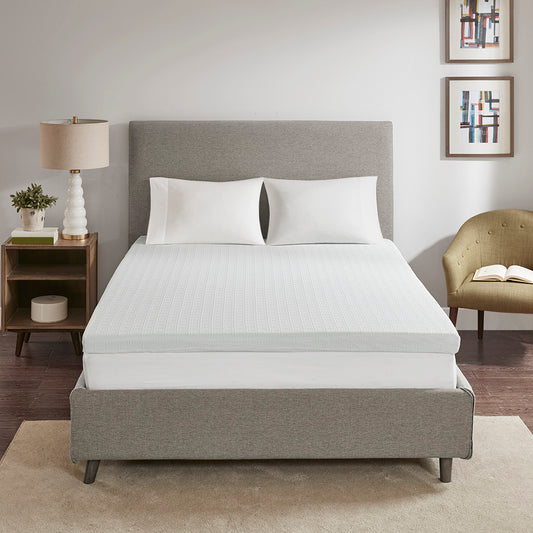
Most dorm room beds come with outdated, stiff sleeping surfaces. A quality overlay can bring noticeable cushioning. Protection matters just as much as comfort. Shielding against liquids helps extend bed life.
A suitable option is a mattress protector labeled for machine cleaning, sized specifically for Twin XL Bedding. A cotton cover with thin padding works well. Heavy memory foam versions tend to resist shifting. Best skipped when flexibility matters.
Pillows Matter Too
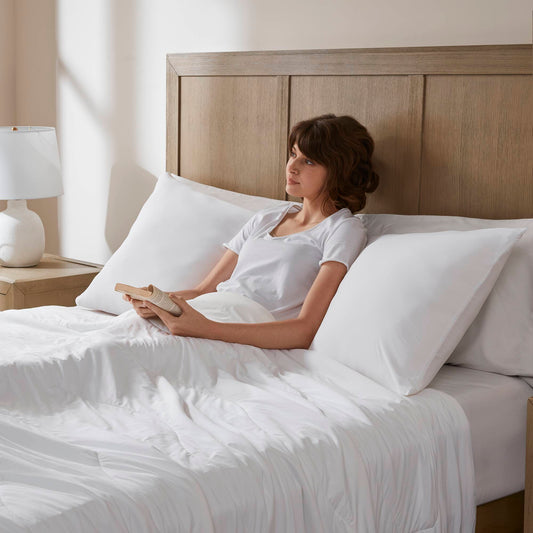
A single pillow of moderate firmness supports restful sleep. When seated against the headboard for reading, a plusher option complements the firmer base. Comfort during study hours improves when layers differ in density.
Pillowcases work best when made of cotton. Matching the Bedding Set in size is required for consistency. Standard pillowcases appear in Twin XL Bedding Sets collections.
Keep Dorm Room Styling Simple
A single layer of Bedding fits best within tight spaces. More items pile on, and order fades quickly. Simplicity stays easier to manage each morning.
A fitted sheet and a flat sheet suffice. The quilt or one of the Comforter Sets follows, accompanied by two pillows. An additional throw blanket appears useful should temperatures drop. Decoration sometimes benefits from its presence too. Many students choose Comforter Sets and dorm comforter sets to simplify their college dorm setup.
A single cushion often serves better than several. One item occupies less room when placed on a seat. When many accumulate, movement becomes harder. Fewer pieces allow easier access to furniture surfaces. This supports space-saving bedding and a cozy dorm room.
The Fabric Question
People often ask which materials hold up best. The short answer is cotton. But there is more to it than that.
Cotton breathes. Polyester does not. Students wake up sweating because their sheets are made from synthetic material. The fabric traps heat against the skin. It does not let air move through. The result is uncomfortable sleep and a restless night.
Cotton gets softer with each wash. Polyester pills and looks worn after a few cycles. Bedding Sets that looked great in August can look tired by October.
We recommend 100% cotton sheets. Percale weave is a good option. It feels crisp and cool. It breathes well. It holds up to frequent washing.
Thread count matters, but not as much as people think. Some parents buy 800 thread count sheets thinking they are getting the best quality. Then they find out the sheets are heavy and hot. A thread count between 200 and 400 is usually fine for dorm use.
Color and Pattern Choices
Parents often pick light colors because they look clean and fresh. Then they realize that dorms are not clean places. Darker colors and patterns hide stains better. They show less wear over time.
Students with white Bedding spend the first semester worrying about spills. They are afraid to eat in bed or have friends over. They treat their Bedding like something precious. That defeats the purpose.
Medium or dark, machine-washable. Navy, charcoal, deep green, or patterns that disguise marks. These choices make dorm life easier. Students do not have to stress about keeping everything spotless.
Some students want to express themselves through their Bedding. A pattern that feels personal can make a small dorm room feel more like home. That matters too.
The Mattress Pad Question
We get asked about mattress pads all the time. "Do we really need one?"
The answer is yes. Most dorm mattresses are old. They have seen years of use. They are often hard and uncomfortable. A good mattress pad adds cushioning. It also protects the mattress from spills and stains.
Students who skip the mattress pad often regret it. They spend the first week exhausted because they cannot get comfortable at night.
Look for a machine-washable mattress pad in Twin XL Bedding size. A cotton cover with thin padding works well. Avoid thick memory foam pads. They are heavy and hard to move. They can also trap heat.
A waterproof option is worth considering. Dorms are not known for their cleanliness. Spills happen. A waterproof pad protects the mattress and makes cleanup easier.
Check the dimensions before buying. Twin XL Bedding size is not the same as standard twin.
Pillow Choices
Parents often overlook pillows. They buy cheap pillows that go flat within weeks. Then the student spends the year with neck pain and poor sleep.
Invest in one good pillow. Medium firmness works for most people. Down alternative is a practical choice. It is washable and hypoallergenic. It holds its shape longer than cheap polyester fill.
Students often use their pillows to prop themselves up while studying in bed. A flatter pillow works better for that. Consider buying one sleeping pillow and one firmer pillow for sitting up.
Common Mistakes Parents Make
Wrong size is the number one issue. Twin XL Bedding is required for most dorms. Standard twin does not fit.
Choosing style over comfort is another mistake. A cute pattern is useless if the fabric feels scratchy.
Ignoring washability leads to unused Bedding. Dry-clean-only bedding will not get cleaned.
Buying only one heavy comforter causes overheating. The student will sweat through warm months.
Overlooking breathability causes night sweats. Synthetic fabrics trap heat.
How Bedding Helps Students Adjust
Student sleep comfort helps students perform better in class. A comfortable room reduces stress. Feeling at home in a dorm helps students adapt to campus life.
Bedding seems like a small detail. But students notice the difference between soft cotton and rough synthetic. Between a comforter that is too hot and a quilt that breathes.
Parents choosing bedding for college students should spend time on Bedding choices. It is one of the best ways to support their child's comfort and success.
What Actually Works
Twin XL Bedding fitted sheets in cotton. Percale weave offers breathability and durability. Multiple sets make laundry rotation easy.
A lightweight cotton quilt as the main layer. Works in warm weather. Layers well in cold weather.
A medium-weight comforter for colder months. Not too heavy, not too light. Easy to add or remove as temperatures change.
A mattress pad for extra cushion. Dorm mattresses are old and hard. A good pad makes a difference.
A throw blanket for studying in bed or sitting with friends. Adds warmth without committing to a full comforter.
Madison Park Twin XL Bedding Sets provide this combination. Everything fits. Everything works together.
Conclusion
Student beds require Twin XL Bedding sizes. Cotton that breathes well helps maintain comfort through the night. Care should be straightforward. Materials made for regular washing perform best.
Comfort comes in stages, built step by step. Matching Bedding Sets make selection easier while guaranteeing fit across pieces. Softness increases when a protective pad is included beneath sheets. Seasonal shifts matter less with adaptable layering. Simplicity supports long-term use.
What stands out at Madison Park is Bedding built around real student needs. Sleep improves when a dorm mattress feels supportive. Calm follows. Home-like ease arrives through fabric choices that stay soft after many washes. Families preparing move-in essentials often include Twin Size Bedding and other solutions designed to improve dorm room comfort and everyday living.

Related Articles