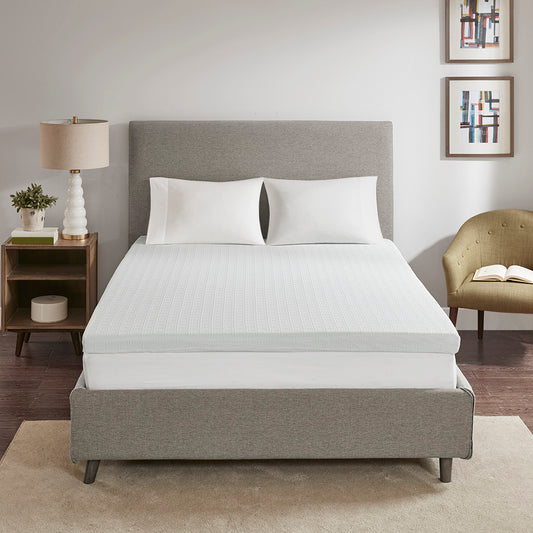
Everything You Should Know About Linen Bedding Sets
When shopping for new bed linens, you'll encounter many options cotton, silk, bamboo, and more. But one material has gained significant attention from sleep experts and interior designers alike: linen bedding sets.
Unlike traditional cotton sheets or slippery silk, breathable bedding sets made from linen offer a unique combination of comfort, durability, and natural beauty. More homeowners are discovering why this ancient fabric belongs in modern bedrooms.
Luxury bedding sets often feature linen for good reason. This guide covers everything you need to know about linen bedding from what it is and how it's made, to its health benefits, environmental impact, and practical care tips. Whether you're a hot sleeper, have sensitive skin, or simply want to upgrade your sleep experience, read on.
What Are Linen Bedding Sets?
Linen bedding sets typically include fitted sheets, flat sheets, and pillowcases. Some sets also offer comforter covers or duvet covers.
Unlike cotton, which comes from cotton plants, linen is made from flax plant fibers. Flax grows in cooler climates with minimal water and few pesticides, making it one of the most sustainable textile crops available.
The resulting fabric has a distinctive texture slightly uneven, naturally wrinkled, and wonderfully breathable.
Flax linen sheets feel crisp at first but soften beautifully with each wash. Among natural fiber bedding options, linen stands apart for its moisture-wicking abilities and temperature-regulating properties.
Advantages of Linen Bedding Sets
Aesthetic Versatility
Luxury bedding sets made from linen work across nearly any interior style. The natural, slightly rumpled look complements modern minimalist bedrooms, rustic farmhouse spaces, and coastal-inspired retreats alike.
Linen comes in neutral tones like ivory, oatmeal, and grey, as well as bolder colors like deep navy, forest green, and terracotta. The fabric's natural texture adds visual depth without overwhelming other design elements.
Durability and Longevity
Few durable bed sheets outperform linen. Flax fibers are hollow and naturally strong actually stronger than cotton fibers. A well-made linen bedding set can last for decades with proper care.
Unlike other materials that weaken and pill over time, soft bedding sets made from linen become softer and more comfortable with each wash.
This unique quality means your bedding improves with age, not the other way around. Investing in quality linen bedding sets saves money over time because you won't need frequent replacements.
Is 100% Linen Bedding Non-Toxic?
For health-conscious consumers, 100% linen bedding offers significant peace of mind. Flax requires far fewer pesticides than conventional cotton, and high-quality linen production avoids harsh chemical treatments.
Non-toxic bedding from reputable manufacturers carries certifications like OEKO-TEX Standard 100, which verifies that no harmful substances were used during production.
Hypoallergenic bedding is another benefit linen naturally resists dust mites, mold, and bacteria without chemical treatments.
People with eczema, allergies, or generally sensitive skin often find relief switching to linen.
Synthetic bedding materials can trap moisture and heat, creating environments where irritants thrive. Linen does the opposite, making it safer and more comfortable.
Sustainability and Environmental Impact
Eco-Friendly Production
Eco-friendly bedding starts with responsible farming. Flax grows in poor soil where food crops cannot thrive, requiring little irrigation and almost no pesticides. Nearly every part of the flax plant gets used, resulting in minimal waste.
Compared to conventional cotton, sustainable bedding made from flax uses roughly 75% less water. Flax linen sheets also require less energy to produce than many synthetic alternatives.
Biodegradability
At the end of its long life, natural fiber bedding made from linen returns to the earth. Linen is fully biodegradable, unlike polyester and other synthetic fabrics that persist in landfills for centuries.
Choosing eco-friendly bedding from renewable, biodegradable sources reduces your household's environmental footprint. It's one simple change with meaningful impact.
Linen in Interior Design
Role of Linen in Bedroom Styling
Linen bedding sets do more than cover your mattress they transform the entire feel of a bedroom. The fabric's natural texture adds depth and warmth that flat, sateen finishes cannot replicate.
Linen creates a relaxed yet elegant atmosphere. It signals comfort without looking messy. The subtle slubs and uneven weave catch light differently than other fabrics, adding visual interest to any space.
How to Style Linen Bedding
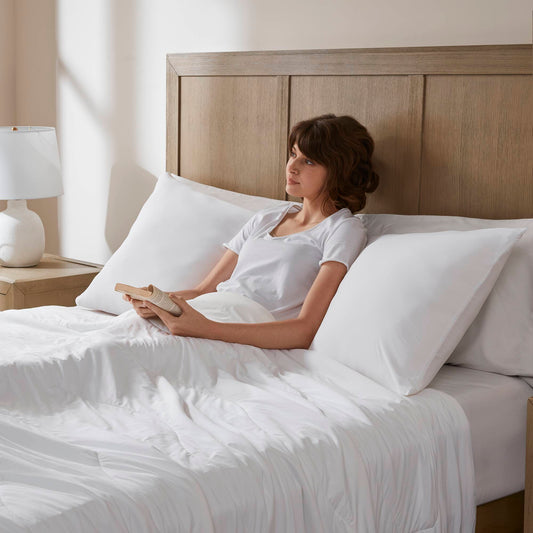
A king size linen bedding set works beautifully as the foundation of a layered bedroom. Start with neutral-toned sheets, add a duvet or quilt, then finish with textured throw blankets and pillows.
For calm, spa-like interiors, choose luxury bedding in cream, stone, or sand tones. For more dramatic modern spaces, bold-colored linen bedding makes a statement. Pair with wood furniture for rustic charm or metal accents for industrial edge.
Linen vs Cotton vs Silk Bedding
Here's how best bedding material options compare:
|
Feature |
Linen |
Cotton |
Silk |
|
Breathability |
Excellent |
Good |
Moderate |
|
Moisture- Wicking |
Superior |
Good |
Poor |
|
Durability |
Very High (decades) |
Moderate (years) |
Low (months to years) |
|
Temperature Regulation |
Year-round |
Good for warm weather |
Retains heat |
|
Wrinkle Resistance |
Low |
Medium |
Low |
|
Care Difficulty |
Easy |
Easy |
High |
For temperature regulating sheets, linen outperforms both cotton and silk. It pulls moisture away from the body and dries quickly, preventing that clammy feeling during warm nights. In winter, linen's hollow fibers trap warm air close to the body.
Maintenance is straightforward: linen washes easily but dries with wrinkles most people embrace this as part of its charm. Silk requires special detergents and cannot tolerate direct sunlight.
Does Linen Bedding Improve Sleep Quality?
Yes, and the evidence comes down to biology. Best bedding for sleep regulates temperature and moisture, and linen excels at both.
Temperature regulating sheets made from linen help maintain a stable skin temperature throughout the night.
The fibers absorb up to 20% of their weight in moisture before feeling damp, then release that moisture quickly. This prevents night sweats and the chills that follow.
For hot sleepers, menopausal women, or anyone in humid climates, linen is transformative. The breathable weave allows constant airflow, reducing the trapped heat that causes restless sleep.
Additionally, hypoallergenic bedding properties mean fewer allergy flare-ups interrupting your rest. Cleaner air plus stable temperature equals deeper, more restorative sleep.
Who Makes the Best Linen Bedding?
The best linen bedding sets share specific qualities regardless of brand. Look for:
- 100% flax linen (blends with cotton or synthetics compromise performance)
- Pre-washed or stonewashed fabric (ensures immediate softness)
- OEKO-TEX certification (verifies non-toxic production)
- Appropriate weight (between 160-200 gsm for year-round use)
Madison Park offers high-quality 100% linen bedding sets that meet these standards. Their collections include various sizes, colors, and complete sets for whole-bed coordination.
Avoid "linen feel" or "linen blend" products claiming linen benefits without actual flax content. Read labels carefully genuine linen is worth the investment.
Is Linen Bedding Worth It?
Quality linen bedding sets cost more upfront than standard cotton or synthetic options. A complete king-size set may range from $200 to $500 or more.
However, when you consider longevity, linen becomes economical. A $300 linen bedding set that lasts 10 years costs $30 per year. A $100 cotton set that needs replacement every 2 years costs $50 annually.
Beyond dollars, luxury bedding sets made from linen deliver daily comfort, better sleep quality, and peace of mind about chemical exposure. For many people, that combination is priceless.
Conclusion
Linen bedding sets offer a rare combination of beauty, durability, comfort, and sustainability. They regulate temperature year-round, resist allergens naturally, and become softer with every wash.
Environmentally, linen production uses minimal water and no unnecessary chemicals while remaining fully biodegradable.
Whether you prioritize sleep quality, interior design, or environmental responsibility, linen delivers on all fronts.
It's not a trend it's a timeless bedding choice that has served humans well for thousands of years.
FAQs
Is linen better than cotton bedding?
For temperature regulation, moisture management, and durability, linen often outperforms cotton. Cotton is more affordable and feels smoother at first, but linen lasts longer and is ideal for hot sleepers or those with allergies.
Does linen bedding wrinkle easily?
Yes, and that is part of its charm. Linen has a naturally relaxed, lived-in look. If you prefer crisp sheets, it may not suit your style, but for casual elegance, the wrinkles add character.
How to care for linen bed sheets?
Machine wash in warm water with mild detergent. Avoid bleach and fabric softeners. Tumble dry on low or line dry. Remove promptly to reduce wrinkles or embrace the natural texture.
Is linen good for hot sleepers?
Yes, linen is excellent for hot sleepers. It wicks moisture, allows airflow, and regulates temperature better than cotton or synthetic fabrics.
How long do linen bedding sets last?
With proper care, linen bedding can last 10 to 30 years. It becomes softer over time, and high-quality flax linen is especially durable.
Where to get cute bedding?
Madison Park offers stylish linen bedding sets in both neutral and bold colors. Their collections complement various bedroom styles, from modern farmhouse to minimalist designs.

Related Articles