Heading to College? The Dorm Bedding Checklist You'll Actually Use
Dorm bedding is different. You use it every single night. You wash it. You sleep on it after late study sessions and early classes. It matters. And getting it right before move-in day means one less thing to stress about when you're standing in a dorm room wondering where to put everything. We've seen what works and what doesn't. Here's the version that actually holds up.
Start with the One Thing Every Dorm Has in Common
Most colleges use Twin XL bedding, so choosing properly fitted bedding is the first step toward creating a comfortable dorm room.
Every year we see the same mistake. Someone buys standard Twin sheets because they're cheaper or because they didn't check the housing page. Then move-in day arrives. The fitted sheet doesn't reach the corners. The flat sheet barely tucks in. The comforter looks like a crop top on the mattress. Twin XL bedding exists for a reason. Dorm mattresses are longer than standard Twins. That extra five inches matters.
Check your housing assignment before you buy anything. The college will list the mattress size somewhere on their website. It's almost always Twin XL bedding. If it is, your college bedding needs to match. Twin XL bedding sets take the guesswork out because everything is sized correctly from the start. Sheets. Comforter. Mattress protector. Done.
What Bedding Do You Actually Need for College?
For most students, the essentials include a Twin XL sheet set, a comfortable comforter, one or two pillows, a lightweight blanket for layering, and a mattress protector. Starting with these basics creates a practical sleep setup without overpacking your dorm room.
You don't need twelve decorative pillows. You don't need a bed skirt. You don't need the matching throw blanket that costs as much as the comforter. We've watched students arrive with bags full of dorm room essentials they never touched. The bedding that actually gets used is the simple stuff. Sheets. A comforter. A pillow that doesn't go flat. A mattress protector because dorm mattresses have seen things.
Madison Park Essentials makes this easy. Affordable sets that include what you actually need without the fluff. Start there. If you want to add a throw blanket or an extra pillow later, do it after you've lived in the room for a week. You'll know what you're missing by then. Quality bedding for college students should focus on comfort, practicality, and long-term use instead of unnecessary extras.
What Goes on the List and What Doesn't?
Skip the long lists. Here's what you need and nothing more.
For sleep, you need a Twin XL fitted sheet, a Twin XL flat sheet, a pillow or two, a Twin XL comforter or duvet, and a mattress protector. That covers the basics. The fitted sheet needs to be deep pocket if your mattress has a topper. Standard pockets pop off dorm mattresses constantly.
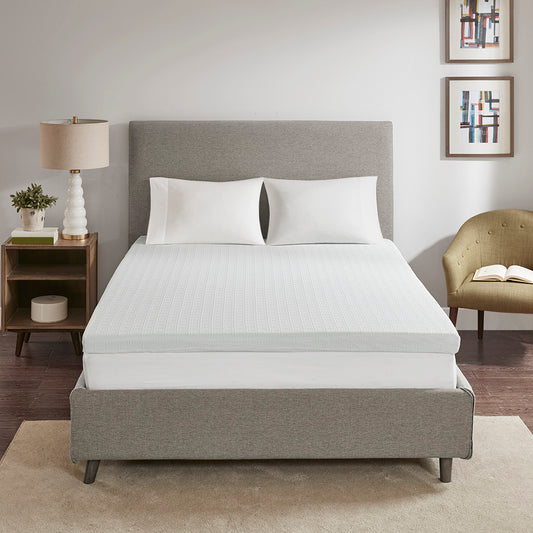
For comfort upgrades, a mattress topper helps. Dorm mattresses are not known for softness. A lightweight bedding layer such as a throw blanket is useful too. Dorm rooms run hot or cold depending on the building. Layering beats one giant comforter.
For laundry, you need one set of sheets. Maybe two if you're bad at laundry. A duvet cover that unzips instead of a comforter that needs dry cleaning. Easy care bedding only. The laundry room is far away, and you have quarters.
For extras, a small cushion for the desk chair. A reading pillow if you study in bed. That's it. Stop. You're done. Keep this list alongside your college move-in checklist so nothing important gets forgotten.
Why Easy Care Bedding Matters More Than Fancy Bedding
College students rarely have time for high-maintenance bedding, making machine washable and durable fabrics a practical everyday choice.
The laundry room is in the basement. It takes quarters. There are six machines for three hundred students. You're not hand washing anything. You're not separating delicates. You're shoving everything in a machine at 11 pm and hoping for the best.
Easy care bedding survives that. Cotton. Cotton blends. Fabrics that come out of the dryer looking fine. No ironing. No special instructions. Lightweight bedding also helps because dorm rooms are unpredictable. Some are freezing. Some feel like a sauna. A comforter that breathes layers better than one heavy piece that leaves you sweating in September. We've seen too many students buy the fluffiest comforter they can find and regret it by week two. A quality set of dorm room bedding should make everyday college life easier, not create extra work.
How to Make a Small Dorm Room Feel More Comfortable
A few thoughtfully chosen bedding layers can make even a basic dorm room feel warmer, more personal, and more inviting.
Dorm rooms are small. Cinder block walls. Fluorescent lights. You can't paint. You can't change the flooring. But you can control the bed. It's the biggest thing in the room. It takes up most of the visual space. So make it look good.
Coordinated bedding sets help. Nothing busy. Neutrals with one accent tone. A throw blanket at the foot. One extra pillow for texture. That's it. Madison Park has coordinated collections that do the matching for you. You pick a set, and the colors already work together. No thought required.
The goal isn't Instagram. It's a room that feels like you can breathe in it. A comfortable bed is the foundation. Everything else builds from there. Thoughtful dorm room ideas often start with bedding because it's the largest and most noticeable part of your college dorm setup.
Common Dorm Bedding Mistakes Students Make
Twin instead of Twin XL. We see this constantly. The sheets don't fit. The comforter looks wrong. And you're at Target on move-in day fighting every other freshman for the last Twin XL bedding set. Just check the housing page.
Too many pillows. You don't need a bed full of decorative cushions. You need one good pillow and maybe a second for sitting up. The rest will live on the floor.
Ignoring the mattress. Dorm mattresses are plastic-covered bricks. A mattress topper changes everything. It's worth the money.
Dry clean only fabrics. If the label says anything other than machine washable, put it back. You're not going to the dry cleaner. You're going to the basement with a laundry card and three minutes to spare.
Heavy winter comforters in August. Dorm heating is unpredictable. Layering works better than one massive blanket.
How to Build a Dorm Bed That Lasts the Entire School Year
Choosing durable, versatile bedding from the start reduces replacements and helps your bedding stay comfortable throughout the academic year.
Cheap sheets pill after a month. Cheap comforters go flat. By winter break, you're sleeping on fabric that feels like sandpaper. Spending slightly more upfront on dorm bedding that's built for weekly washing saves money by spring semester.
Look for tightly woven cotton or cotton blends. Look for comforters that hold their shape after washing. Coverlet sets are worth considering because they layer easily. Lightweight for early fall. Add a blanket underneath when it gets cold. Swap back in spring. One set of bedding that adapts to the seasons beats multiple sets you have to store somewhere.
Madison Park Essentials focuses on this kind of practical durability. Affordable enough for a college budget. Sturdy enough to survive the laundry room. Not precious. Not fussy. Just bedding that shows up and does its job. It's also a smart choice when planning your back-to-college bedding before move-in day.
Is a Bed-in-a-bag Worth Buying for College?
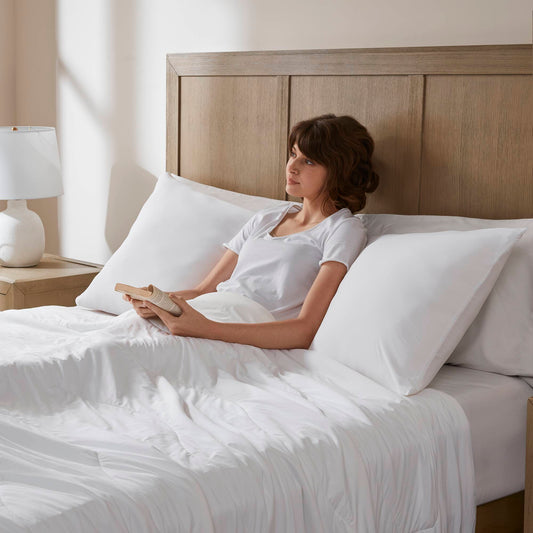
A bed-in-a-bag can simplify dorm shopping by providing coordinated bedding in one purchase. It's especially useful for students moving into their first dorm because it reduces the need to buy separate pieces while creating a cohesive bedroom setup.
We've seen students and parents wander bedding aisles holding a comforter in one hand, sheets in the other, trying to figure out if the colors match under fluorescent lighting. A bed-in-a-bag solves that. Everything comes together. Comforter. Sheets. Pillowcases. Sometimes a sham. You open the bag, and you're done.
It's not for everyone. Some people want to mix patterns. Some already have sheets and just need a comforter. But for a first-year student starting from scratch, it's the easiest path. Madison Park offers coordinated bedding sets that work the same way. Matching pieces without the guesswork. You grab it, you pack it, you move in. Simple.
To Summarize It
Dorm bedding doesn't need to be complicated. Twin XL bedding that fits. A comforter that breathes. A pillow that holds its shape. A mattress topper so you actually sleep. That's the whole checklist. We've watched students show up with too much and use almost none of it. The ones who kept it simple, good sheets, one comforter, a decent pillow, were the ones who slept through the night and didn't panic when laundry day came around. Madison Park Essentials builds bedding for exactly that kind of practical living. Not precious. Not complicated. Just comfortable and ready for whatever the semester throws at you.
Frequently Asked Questions
Do all colleges use Twin XL beds?
Most colleges use Twin XL beds, but not all. Check your housing assignment page for the exact mattress size. Twin XL bedding is standard for many dorms, while some suites or apartments may have different bed sizes.
How many sheet sets should I bring?
Two sheet sets are ideal if you plan to wash them weekly. One set can work if you are comfortable washing and drying it on the same day. Keeping your collection small also saves valuable dorm storage space.
Is a comforter enough for college?
Yes, especially when paired with a lightweight blanket underneath. A Twin XL comforter combined with an extra layer gives you more flexibility when room temperatures change throughout the year.
What's worth buying before move-in day?
Twin XL bedding, a mattress topper, and a mattress protector are essential dorm items. Other accessories can wait until you see the room and understand how much space and storage you have.
How often should dorm bedding be washed?
Wash dorm bedding every week or two to keep it fresh. Use hot water when the fabric care label allows it, and make sure bedding is dried thoroughly before putting it back on the bed.

Related Articles