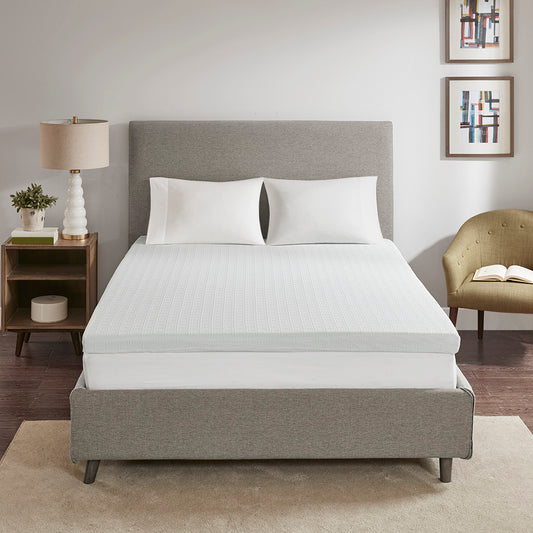
How Madison Park Bedding Helps You Wake Up Feeling Better
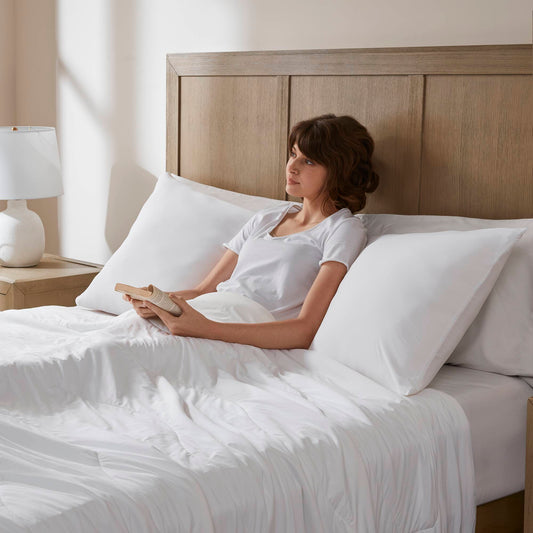
The way your bedroom feels when you go to sleep can influence how you experience the start of the next day. While bedding cannot guarantee better sleep, comfortable sheets, supportive pillows, and the right layers can create a bedroom environment that feels more relaxing and suited to your routine.
Your bed is also one of the largest elements in the bedroom, which means bedding has a major effect on the room's overall appearance. The right combination of comfort, texture, color, and layering can make the space feel more inviting at night and more put together when you wake up.
That is where Madison Park bedding can fit into everyday living. From quilts and comforters to blankets, throws, and pillows, choosing pieces that work together can help create a bedroom that feels comfortable without sacrificing style.
Why Your Bedding Matters to Your Morning Routine
The first thing you notice when you wake up may not be your walls, furniture, or artwork. It is often the bed itself.
If your bedding feels too warm, too rough, too heavy, or uncomfortable, it can affect how enjoyable your bedroom feels. On the other hand, bedding with a comfortable texture and appropriate weight can make the bed feel more inviting.
This does not mean that everyone needs the same type of bedding. Some people prefer lightweight layers, while others want a plush comforter or several blankets. The important thing is finding a combination that matches your personal preferences.
Comfort Starts With the Right Bedding Materials
The material of your bedding affects how it feels against your skin and how it performs throughout the night.
Cotton for Breathability
Cotton remains a popular choice for sheets, quilts, and other bedding because it is soft and breathable. It can be particularly useful for people who prefer natural-feeling fabrics.
Cotton bedding can also work across seasons. Lightweight cotton layers can be comfortable during warmer months, while additional blankets or comforters can be added when temperatures drop.
Soft Layers for Everyday Comfort
A comfortable bed does not necessarily require one extremely thick layer. Using several lighter layers can give you greater flexibility.
A sheet can provide the base layer, followed by a quilt or blanket and then a comforter when additional warmth is needed.
This approach allows you to remove or add layers depending on the temperature rather than relying on a single heavy piece.
How Bedding Can Change the Feel of Your Bedroom
Bedding is both functional and decorative. Because it covers such a large part of the room, even a simple bedding change can make the space look noticeably different.
Light Colors Can Create an Airier Look
White, cream, light grey, soft blue, and other lighter shades can help create a clean and open appearance.
If your bedroom already contains dark furniture or flooring, lighter bedding can provide contrast and prevent the room from feeling too heavy.
Deeper Colors Add Warmth
Navy, charcoal, brown, and other deeper shades can create a more grounded appearance.
You can also combine a darker quilt or comforter with lighter sheets and pillows to create contrast without making the entire room feel dark.
Texture Adds Visual Depth
Texture can make a bed look more comfortable without requiring additional decoration.
Quilted bedding, woven blankets, textured throws, and decorative pillows can all contribute to a layered appearance. The key is to combine textures that complement each other rather than adding too many competing patterns.
Why Layering Bedding Can Improve Everyday Comfort
Layering gives you control over how your bed feels.
For example, you might use:
- A fitted sheet as the base.
- A flat sheet for additional comfort.
- A lightweight quilt or blanket.
- A comforter or duvet for extra warmth.
- A decorative throw for additional texture.
You do not need to use every layer every night. During warmer weather, the quilt may be enough. During winter, you can add a comforter and heavier throw.
This flexibility is particularly useful for households where different people have different temperature preferences.
What Are the Best Twin Stitch Blankets for Winter?
When choosing twin stitch blankets for winter, consider warmth, material, weight, construction, and size. A twin-size blanket should provide appropriate coverage for a twin bed, while the stitching or quilting can help maintain the structure of the blanket.
For colder weather, fleece, microfiber, wool blends, and thicker quilted materials can provide additional warmth. If you prefer to adjust your bedding throughout the night, a medium-weight stitched blanket may be more practical than one very heavy blanket.
When choosing a winter blanket, look for:
Comfortable material that feels pleasant against the skin
- Suitable weight for your sleeping preferences
- Durable stitching for regular use
- Correct dimensions for your mattress
- Easy-care construction if frequent washing is important
- Enough warmth without unnecessary bulk
A good winter blanket should work as part of your bedding rather than making the bed difficult to manage.
Striped Blankets and Throws for Added Style
Striped blankets and throws are an easy way to introduce pattern without completely changing your bedding.
Stripes can work with many bedroom styles, including modern, traditional, coastal, casual, and farmhouse-inspired spaces.
Use Stripes With Solid Bedding
A striped throw can provide contrast when placed over a solid comforter or quilt. For example, a blue-and-white striped throw can add interest to neutral bedding without overwhelming the design.
Add a Throw at the Foot of the Bed
Folding a striped throw across the bottom of the bed creates a simple layered appearance. It also keeps an extra blanket within reach when you need additional warmth.
Use Throws Beyond the Bedroom
Striped throws can also be used on sofas and accent chairs. This allows the same colors and textures to appear throughout the home, creating a more coordinated feel.
Choosing Bedding for Different Sleeping Preferences
There is no universal bedding combination that works for everyone.
If You Sleep Hot
Choose lightweight, breathable layers and avoid unnecessarily heavy comforters. Cotton, linen, and other breathable materials can be useful options.
If You Sleep Cold
A quilt can be combined with a comforter, blanket, or throw to provide additional warmth. Layering also allows you to adjust your bedding when the temperature changes.
If You Prefer a Minimalist Bed
A fitted sheet, flat sheet, and lightweight quilt may be enough. Choose simple colors and textures to keep the bed looking clean without excessive layers.
If You Prefer a Cozy Bed
Combine a comfortable quilt or comforter with a textured throw and a few decorative pillows. Different fabrics can create a warmer and more inviting appearance.
Bedding That Works With Your Lifestyle
The best bedding is not only comfortable—it should also fit your daily routine.
If you wash bedding frequently, look for easy-care materials. If you have children or pets, durability and washability may be particularly important.
For guest bedrooms, neutral bedding can be a practical choice because it works for different preferences. In children's rooms, playful patterns can add personality while keeping the rest of the room simple.
How to Keep Bedding Comfortable Over Time
Even good bedding needs proper care.
Always follow the manufacturer's washing and drying instructions. Using excessive detergent can leave residue on some fabrics, while excessive heat may damage certain materials.
Allow blankets, quilts, and comforters to dry completely before storing them. Rotating between multiple bedding sets can also reduce wear on individual pieces.
Regularly washing sheets and pillowcases is particularly important because they have direct and frequent contact with your skin.
How Madison Park Bedding Supports Everyday Bedroom Style
A coordinated bedding collection can make bedroom styling easier. Instead of trying to match individual pieces from different collections, you can start with a quilt or comforter and build around its colors and textures.
For example, a neutral Madison Park quilt can become the foundation for patterned pillows, a striped throw, and complementary sheets. A more decorative comforter can instead serve as the main focal point, with simpler accessories supporting it.
This approach keeps the bedroom visually balanced while allowing you to change smaller accessories when you want a refresh.
Simple Changes That Can Make Your Bed Feel New
You do not need to replace your entire bedroom to make a noticeable difference.
- Try these simple updates:
- Replace worn sheets with a fresh set.
- Add a lightweight quilt for texture.
- Switch to a warmer comforter during winter.
- Add a striped throw at the foot of the bed.
- Change decorative pillow covers.
- Rotate seasonal blankets.
- Introduce one new accent color.
- Remove unnecessary layers if the bed feels too crowded.
Small changes can make the bed feel more comfortable while also refreshing the appearance of the room.
Final Thoughts
Waking up feeling better starts with more than the way your bedroom looks. Your bedding should support the way you actually live and sleep.
The right combination of sheets, quilts, comforters, blankets, throws, and pillows can give you flexibility throughout the year while helping your bedroom feel comfortable and visually balanced.
Whether you prefer lightweight bedding, a cozy winter setup, or a layered bed with striped blankets and throws, focus on materials, weight, breathability, construction, and personal comfort.
With thoughtful choices from collections such as Madison Park, your bed can become more than the centerpiece of the room—it can be a comfortable part of your everyday routine.
Frequently Asked Questions
What are the best twin stitch blankets for winter?
The best twin stitch blankets for winter depend on how much warmth you need. Fleece, microfiber, wool blends, and thicker stitched or quilted blankets can provide additional warmth. Choose a weight and material that feels comfortable without being unnecessarily bulky.
Can striped blankets and throws be used with patterned bedding?
Yes. Striped blankets can work with patterned bedding when the colors complement each other. If your main bedding has a bold pattern, choose a simpler striped throw to keep the overall look balanced.
How can I make my bed more comfortable without replacing everything?
Start with the pieces that have the most impact, such as sheets, pillows, or the main comforter. Adding a quilt, blanket, or textured throw can also improve both comfort and appearance without requiring a complete bedding replacement.
Is layering bedding better for winter?
Layering can be useful because it allows you to adjust warmth more easily. A quilt, blanket, and comforter can be combined during colder nights, while one or two layers can be removed when the room becomes warmer.
What bedding is best for people who sleep hot?
Lightweight and breathable bedding can be more comfortable for hot sleepers. Cotton and linen are popular options, while lightweight quilts and blankets can provide coverage without the bulk of heavy comforters.
How can striped throws improve bedroom décor?
Striped throws add pattern, color, and texture without requiring a complete change to the main bedding. Folding one at the foot of the bed is a simple way to create a layered and finished appearance.
How often should bedding be changed?
Sheets and pillowcases generally need more frequent washing than quilts, comforters, and decorative throws. Follow the care instructions for each product and wash bedding regularly based on how often it is used.
What makes Madison Park bedding suitable for everyday living?
Madison Park bedding offers different combinations of quilts, comforters, blankets, throws, and other pieces that can be used to create practical and coordinated bedroom setups. The best choice depends on the specific product's material, construction, care requirements, and your personal comfort preferences.

Related Articles