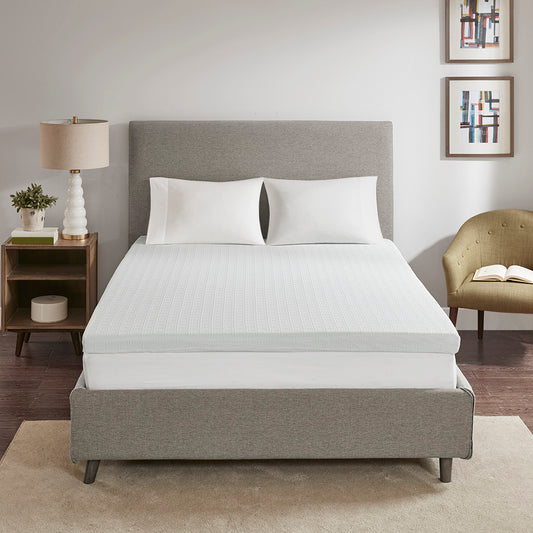
Why Simpler Bedding Often Leads to Better Sleep
We tend to assume more bedding adds up to a more comfortable bed. Most of the time it's the reverse — the comfort is in choosing the right few pieces, not in stacking on extras. A bed lost under heavy blankets, decorative throws, and stuff you never actually pull up at night can work against you more than it helps you settle.
Simplified bedding keeps the focus where it belongs: quality, breathability, and practical comfort. Pick materials that handle temperature, feel good against your skin, and don't need babysitting, and you've got a bed that's inviting without becoming a chore to keep up.
Refreshing a primary bedroom, setting up a guest room, kitting out a dorm or apartment — a pared-back setup usually sleeps better and washes easier. The whole game is knowing which materials, layers, and pieces actually matter, and quietly leaving out the rest.
What Makes Bedding Comfortable?
Breathability Is Often More Important Than Thickness
The biggest myth in bedding is that thicker equals better. Warmth has its place, but breathability does more for a good night than sheer weight ever does.
Fabrics that let air move keep you from overheating and hold a steadier climate under the covers all night. Most people find that lightweight, breathable bedding beats a stack of heavy blankets — you stay warm without cooking.
Softness Influences Sleep Quality
Comfort starts with how the bedding feels the moment you slide in. Soft materials make it easier to relax and stay settled through the night.
But softness on its own isn't the whole answer. The best bedding pairs that soft hand with breathability, durability, and easy care — soft that also lasts and doesn't trap heat.
Temperature Regulation Supports Better Rest
Temperature has an outsized effect on sleep. Bedding that helps hold a steady warmth cuts down on the wake-ups that come from getting too hot or too cold. Plenty of people discover that temperature-regulating bedding lifts their sleep more than just adding another layer ever could.
Why Simplified Bedding Has Become More Popular
Fewer Layers Mean Less Maintenance
A big part of the appeal is simply convenience. Fewer layers means less washing, less folding, less wrestling things back into place. A lot of people are happy to trade a fussy, magazine-perfect bed for one that looks good and barely asks anything of them during the week.
Streamlined Bedding Feels Less Overwhelming
A simpler bed tends to feel calmer and cleaner. Too many pillows, blankets, and decorative layers can make a bed read as crowded rather than cozy. And there's something to the idea that people rest better when the setup feels uncluttered and easy to manage.
Modern Bedrooms Often Prioritize Comfort and Simplicity
Bedroom design has been quietly shifting for a while now — away from the elaborate, dressed-to-the-nines bed and toward something that just works. People want a setup that's comfortable and easy to live with, and they're far less interested in arranging six throw pillows every morning to get there.
Why Fresh Bedding Can Improve Everyday Comfort
Comfort isn't only about softness — freshness counts for a lot, too. Since bedding gets used every single night, keeping it clean and fresh does real work on how good the whole thing feels day to day.
That's a big reason odor resistant & antimicrobial bedding solutions have caught on: they help keep bedding fresher between washes. Bedding built to fight off odors and hold a cleaner feel cuts down the upkeep while quietly improving everyday comfort.
Fresh Bedding Helps Create a More Comfortable Sleep Environment
Clean, fresh bedding just feels more inviting at the end of a long day. Bedding that holds its freshness makes for a more pleasant, relaxing place to land each night.
Easy-Care Bedding Fits Busy Lifestyles
A lot of households want bedding that asks less of them. Easy-care options trim the time spent on laundry and upkeep while keeping the comfort steady.
Why Cleanliness and Comfort Often Go Together
A comfortable bed should feel fresh as much as soft. Bedding that stays cleaner between washes tends to sleep better overall — something busy households notice fast.
What Should I Consider When Choosing Your Zone Bedding Sets for a Cozy Bedroom?
A cozy bedroom usually comes down to balancing comfort, practicality, and a bit of personal style. Decorative touches help with the look, but the bedding itself drives the everyday comfort.
Affordable bedding can absolutely make a welcoming room when you weigh the materials, the upkeep, and your actual comfort needs. The aim is bedding that helps you relax without turning the setup into something complicated.
To get there, put comfort ahead of the decorative stuff — patterns and colors matter, but soft, breathable bedding does more for your sleep than a pretty print. Match the materials to how you sleep, since some people want something cool and light all night while others run cold and want a touch more warmth. And think long-term: bedding that performs well every single night usually beats anything chosen purely on looks, because durability, easy care, and comfort outlast trends.
Which Bedding Materials Work Best for Simplified Bedding?
Cotton Bedding for Everyday Comfort
Cotton bedding stays a top pick for simplified setups, and for good reason — it brings softness, breathability, and durability together and is fairly painless to look after. Plenty of cotton bedding sets hold up right through the year, which makes them a dependable everyday choice.
Linen Bedding for Natural Airflow
Linen Bedding earns its keep on breathability and that easy, relaxed look. It naturally lets air through and helps manage moisture, which is why it's a favorite in warm climates and for people who sleep hot. Many linen bedding sets actually soften with use while keeping that airy quality.
Polyester Bedding for Easy Maintenance
Polyester bedding appeals to anyone after durability and low fuss. It shrugs off wrinkles, keeps its look, and generally needs less care than some natural fabrics. A lot of polyester bedding sets offer no-drama comfort for guest rooms, apartments, and everyday beds.
Real-World Simplified Bedding Setups
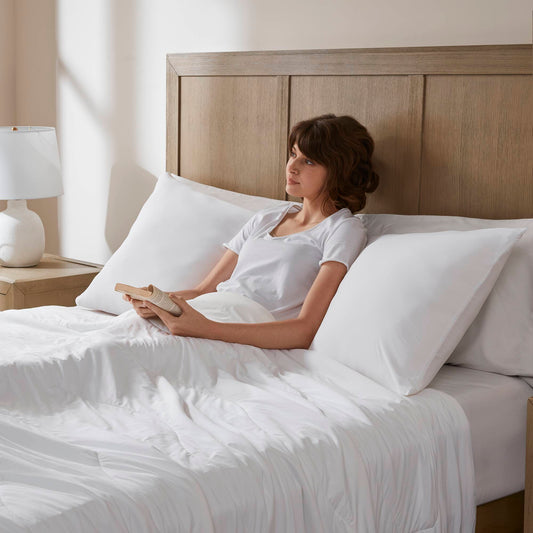
In a primary bedroom, the comfortable version is usually just quality sheets, a breathable top layer, and pillows that actually support you — comfort without the clutter. Guest rooms do best with bedding that suits a range of sleepers, and easy-care materials win there since they stay fresh and need little between visits. And in dorms and apartments, where storage and space are tight, a simplified setup makes daily life easier while still delivering comfort and function.
How Many Bedding Layers Do You Actually Need?
Start from quality foundations rather than a stack of layers — good sheets and one reliable primary layer carry most of the everyday comfort on their own. From there, only add layers you genuinely use; if a blanket or accent never comes into play, it's clutter, not comfort. And steer clear of unnecessary bulk, because too much bedding traps heat, piles on the laundry, and quietly makes the bed less comfortable, not more.
Common Mistakes That Make Bedding Less Comfortable
- Buying purely on looks
- Using too many layers
- Ignoring breathability
- Choosing materials that fight your local climate
- Chasing trends over your own comfort
- Picking bedding that needs more upkeep than you want to give
Quick Comparison: Popular Bedding Materials
|
Material |
Breathability |
Softness |
Maintenance |
Year-Round Comfort |
|
Cotton |
High |
High |
Easy |
Excellent |
|
Linen |
Very High |
Moderate |
Moderate |
Excellent |
|
Polyester |
Moderate |
Moderate |
Very Easy |
Good |
Final Thoughts: Why Comfortable Bedding Is Often Simpler Than Expected
Here's the thing most people don't expect: the comfiest beds are usually the simplest ones. The comfort comes from good materials, real breathability, and a handful of layers that genuinely earn their spot — not from piling on bulk because the bed looks emptier without it.
Cotton, linen, or polyester, it doesn't hugely matter which you land on — Cotton bedding, linen bedding, and polyester bedding are all chasing the same target of softness, function, freshness, and easy upkeep. Keep the pieces that pull their weight, drop the rest, and you're left with a bed that stays comfortable straight through the year.
Frequently Asked Questions
What is the most comfortable bedding material? Cotton and linen lead the field for their mix of softness, breathability, and temperature regulation. The best one for you depends on your preferences and how you sleep.
Does simplified bedding improve sleep? For a lot of people, yes — cutting the unnecessary layers improves comfort, eases the upkeep, and helps with temperature control through the night.
How many bedding layers should I use? Most people only need a fitted sheet, a primary layer, and maybe a seasonal addition or two, depending on climate and preference.
Is luxury bedding always more comfortable? Not necessarily. Luxury Bedding and Luxury Bedding Sets are made of higher quality materials but whether a bed is comfortable depends on breathability, construction and personal preference - an expensive set isn't necessarily the one you'll sleep best under.
How do I create a cozy bedroom without overcrowding the bed? Build it around good materials, a bit of thoughtful layering, comfortable textures, and a palette that hangs together — that gets you cozy far more reliably than cramming on extra pieces.