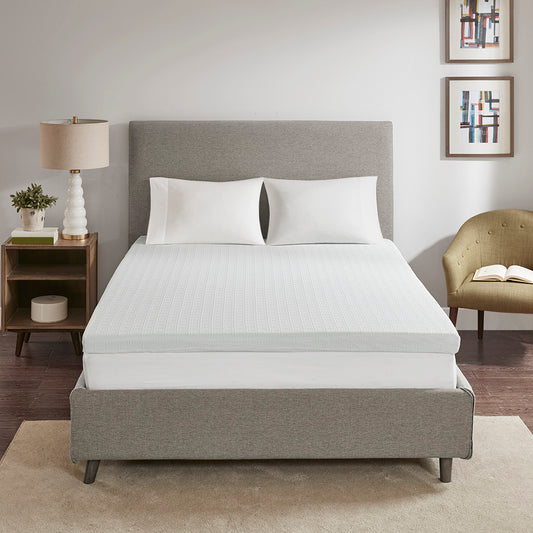
Introduction: Why Bedding Texture Changes the Entire Bedroom Feel
Walk into any bedroom and the bed immediately draws the eye. It is the largest single surface in the room, and whatever covers it sets the visual and emotional tone for everything else.
Color plays a role in that impression, certainly but texture plays an even deeper one. The way a bed feels to look at, before anyone even touches it, is almost entirely a function of the fabrics layered across its surface.
Bedding textures influence a room on multiple levels at once. At the most immediate level, they shape how inviting the space appears. Soft, layered fabrics communicate warmth and rest in a way that flat, featureless bedding never can. At a deeper level, they affect how a person feels in the room whether the atmosphere feels calming and restorative, or stark and unfinished.
The right combination of bedding fabrics chosen for how they feel, how they breathe, and how they interact visually with one another can make the difference between a bedroom that serves a function and one that genuinely feels like a retreat. This guide explores how different bedding textures work, which fabrics perform best for specific purposes, how to layer them effectively, and how to avoid the most common mistakes that prevent bedrooms from achieving the softness and comfort they are capable of.
Why Bedding Texture Matters More Than Most People Think
Texture Shapes Visual Comfort
There is a direct relationship between the tactile quality of bedding and how restful a bedroom looks to the eye. Flat, smooth surfaces without variation read as cool and somewhat clinical precise in a way that does not invite lingering. Layered bedding textures, by contrast, create a visual softness that communicates comfort even from across the room. The eye reads the depth and softness of fabric before the body ever makes contact with it, and that reading shapes how welcome the space feels.
A bedroom dressed in a single flat comforter, however well-coordinated its color, often feels unfinished. Something is missing a sense of depth, of warmth accumulated through layers.
Adding even one or two additional fabric textures changes that quality dramatically. A quilted layer, a knit throw, a stack of pillows in different fabrics these small additions transform a serviceable sleeping area into a bedroom that genuinely looks and feels considered.
Bedding Influences Emotional Warmth
The connection between soft textures and emotional comfort is not merely aesthetic it is psychological. Plush, textured bedding activates a sense of safety and relaxation that harder or sparser environments do not. This is why a bedroom filled with layered, soft bedding fabrics tends to feel easier to unwind in, even before the lights go down. The visual presence of softness encourages the nervous system to begin releasing the tensions of the day.
This effect is particularly significant in bedrooms that also function as workspaces or quiet retreats in busy households. The more the bed itself communicates comfort and separation from the demands of the day, the more effectively the room can serve its restorative purpose. Bedding textures are one of the most practical tools available for creating that psychological boundary between activity and rest.
Texture Helps Bedrooms Feel More Luxurious
Luxury interior design has long understood something that everyday bedroom styling is slower to apply: genuine upscale comfort is achieved through tactile layering rather than bold decoration. The bedrooms that feel most refined and hotel-like are rarely defined by loud patterns, dramatic color contrasts, or ornate furniture. They are defined by the quality and variety of their surfaces the way a smooth cotton sheet gives way to a quilted comforter, which is softened further by a cashmere throw and finished with pillows in varying fabrics.
This approach to creating luxury through texture rather than ornamentation is accessible at almost any budget. The key is understanding that the perception of quality comes from how fabrics interact with one another and with light, not from price tags alone. Thoughtfully chosen bedding sets that combine different weaves, weights, and finishes can create an atmosphere of genuine refinement that far exceeds what any single expensive piece could achieve on its own.
How Different Bedding Fabrics Affect Bedroom Atmosphere
Cotton Bedding Sets for Breathable Everyday Comfort
Cotton is the foundational fabric of everyday bedding for reasons that go beyond tradition. Its natural fiber structure allows air to circulate freely through the weave, which keeps the sleeping surface consistently cool and fresh throughout the night. This breathability makes cotton bedding sets genuinely comfortable across a wide range of temperatures, performing well in both warm seasons and cooler months without the clammy, trapped-heat quality that synthetic materials often develop.
The texture of quality cotton bedding varies meaningfully depending on the weave. Percale cotton has a crisp, matte surface with a cool, clean feel that suits minimalist and contemporary bedroom styles particularly well. Sateen cotton has a subtle sheen and a slightly silkier hand feel that lends itself to more polished, luxurious bedroom aesthetics. Both weaves maintain the breathability that makes 100 percent cotton bedding sets such a reliable choice for daily comfort, while offering genuinely different tactile experiences.
In terms of visual character, cotton bedding tends to sit neatly and hold its shape well, making it easy to style cleanly. Its relatively smooth surface provides an excellent base layer for building texture through additional bedding pieces a quilted coverlet, a textured throw, or a set of pillows in a contrasting weave all layer beautifully over a well-chosen cotton foundation.
Organic Cotton Bedding for Softness and Airflow
Organic cotton bedding sets share the breathability and practical comfort of conventional cotton, but with a noticeable difference in initial and long-term softness. Because organic cotton is grown without synthetic pesticides or harsh chemical processing, its fibers retain more of their natural integrity which translates directly into a softer, more supple hand feel against the skin.
This softness deepens over time rather than degrading with repeated washing, which is one of the most compelling qualities of organic cotton as an everyday bedding material. A good organic cotton bedding set will feel noticeably better after six months of use than it did when first purchased, developing a gentle broken-in quality that manufactured softness treatments cannot replicate. For bedrooms designed around relaxed, airy comfort, the natural texture of organic cotton is difficult to improve upon.
Linen Bedding for Relaxed Texture
Linen occupies a distinct and irreplaceable position in the world of bedding textures. Its surface has a natural irregularity a slight variation in the weave that gives it a character no synthetic or even cotton fabric fully replicates. This textural individuality is precisely why linen has become so closely associated with effortless luxury in contemporary interior design. It looks like it belongs in a thoughtfully curated, well-traveled home rather than a showroom.
The tactile quality of linen improves significantly with use and washing. Fresh linen can feel slightly stiff, but washed and softened linen has a gentle, flowing drape that sits beautifully on a bed and feels remarkably comfortable against the skin. Its natural moisture-wicking properties also make it an excellent choice for warmth regulation, drawing perspiration away from the body efficiently.
Visually, linen bedding works beautifully in modern, Scandinavian, coastal, and relaxed contemporary bedroom styles any context where the emphasis is on natural materials, honest texture, and an overall sense of unhurried calm. The slightly rumpled quality that linen develops with use, which a more formal style might resist, becomes a positive attribute in these settings, communicating authenticity and lived-in ease.
Quilted and Layered Bedding for Warmth
Quilted bedding introduces a three-dimensional texture that flat fabrics simply cannot provide. The stitching patterns that define a quilt diamonds, squares, flowing curves, geometric grids create visual depth and tactile interest that make a bed look fuller and more considered even when the overall palette is restrained. A quilted coverlet or comforter adds visual fullness to a bedroom without heaviness, because the structure comes from the stitching rather than from thick filling.
Soft bedding sets that incorporate quilted elements work particularly well as the middle layer in a layered bedding arrangement sitting between the fitted sheet and a lighter throw or duvet. This placement allows the quilted texture to remain visible and contribute its visual interest while the overall combination stays comfortable and breathable. For bedrooms that rely on neutral tones rather than pattern for character, a quilted layer is one of the most effective ways to introduce depth without adding complexity.
Why Layered Bedding Feels More Comfortable
Combining Multiple Fabric Textures
The most comfortable beds are never dressed in a single fabric. The sensory experience of sleeping in a well-layered bed smooth cotton sheets against the skin, a quilted comforter providing gentle weight above, a soft knit throw available at the foot for cooler nights, pillows in varying degrees of firmness and fabric weight is qualitatively different from the experience of a bed covered with a single flat piece, regardless of how high-quality that piece might be.
This textural variety works because each layer contributes something distinct to the overall comfort equation. Cotton sheets provide breathable, clean-feeling directness. A quilted comforter adds warmth and visual fullness. A woven or knit throw brings tactile softness and visual dimension. Layering bedding textures in this way creates an accumulated comfort that is greater than the sum of its parts a depth of physical and visual ease that simpler arrangements consistently fall short of.
Layering Creates a Hotel-Inspired Look
The signature look of a luxury hotel bed those beautifully composed arrangements of layered whites and soft neutrals that feel simultaneously pristine and deeply comfortable is achieved almost entirely through the strategic combination of bedding textures. Luxury bedding sets in hotel contexts rarely rely on bold colors or elaborate patterns. Instead, they build visual richness through the contrast between crisp percale sheets, a smoothly finished duvet, a folded throw at the foot, and carefully arranged pillows in different weights and covers.
Replicating this look at home is more accessible than most people assume, because the principles are straightforward: start with high-quality, breathable base layers, add a structured middle layer with some visual weight, finish with a softer outer layer or throw, and let the fabric textures do the decorative work. The result is a bed that reads as effortlessly upscale without requiring a complex or expensive approach to color or pattern.
Soft Layers Make Bedrooms Feel More Relaxing
There is a direct relationship between the number of soft surfaces in a bedroom and how psychologically restful the space feels. Rooms with hard edges, bare walls, and flat bedding retain a visual sharpness that makes full relaxation harder to achieve. Soft, layered bedding absorbs some of that visual harshness, cushioning the eye as well as the body and contributing to an overall atmosphere of calm.
This is not simply a matter of personal preference. Research into environmental psychology consistently confirms that soft, rounded, and textured surfaces are perceived as less threatening and more comfortable than hard, flat ones. Applying this understanding to bedding choices choosing softer fabrics, adding layers, incorporating textures that encourage touch produces a bedroom that genuinely supports relaxation rather than merely functioning as a sleeping space.
How Bedding Textures Affect Modern Bedroom Design
Minimalist Bedrooms Depend on Texture
Minimalist bedroom design presents a specific challenge: the aesthetic depends on restraint fewer objects, neutral palettes, significant negative space but restraint taken too far produces rooms that feel cold and uninhabited rather than calm and intentional. Bedding texture is one of the primary tools for navigating this challenge successfully. In a room where color variation is minimal and decorative objects are kept to an absolute minimum, the tactile variation in the bedding becomes the main source of visual interest and warmth.
A minimalist bedroom dressed in neutral bedding with no textural variation will almost always feel bare. The same room dressed in neutral bedding with subtle layered textures a linen duvet, a quilted coverlet folded at the foot, a soft cotton pillow set feels considered and complete. The minimalist principle of restraint is fully intact, but the room communicates comfort rather than austerity.
Contemporary Bedrooms Feel Softer with Textured Bedding
Contemporary interior design tends to favor clean lines, uncluttered surfaces, and a controlled material palette. Within these parameters, the risk of the bedroom feeling sterile is real particularly when the furniture is low-profile and the color palette is predominantly neutral. Modern bedding sets that incorporate textural variation a mix of smooth and matte fabrics, subtle quilting, or a contrast between a crisp flat sheet and a softer comforter provide the warmth that keeps contemporary rooms from tipping into coldness.
The most effective approach in contemporary bedrooms is to let texture carry the visual weight that pattern might play in more eclectic spaces. A deeply textured boucle pillow, a waffle-knit throw, or a comforter with a subtle geometric stitch all contribute enough visual interest to make the bed feel richly styled without disturbing the clean, modern character of the overall room.
Designer Bedding Creates Visual Depth
Designer bedding sets distinguish themselves not primarily through the use of elaborate patterns or bold colors, but through the sophistication of their textural composition. The best designer bedding collections combine quilting details, varied fabric weights, thoughtful stitching, and carefully considered material blends to create a bed surface that has genuine visual complexity even when viewed from across the room.
Collections like Madison Park bedding sets exemplify this approach coordinated bedding that uses texture, subtle pattern, and layered construction to achieve a polished, complete look without requiring extensive individual styling. The value of a well-designed bedding set lies in the way its components work together to create depth and coherence that individual pieces assembled separately rarely match.
Best Bedding Color and Texture Combinations
White Bedding with Layered Textures
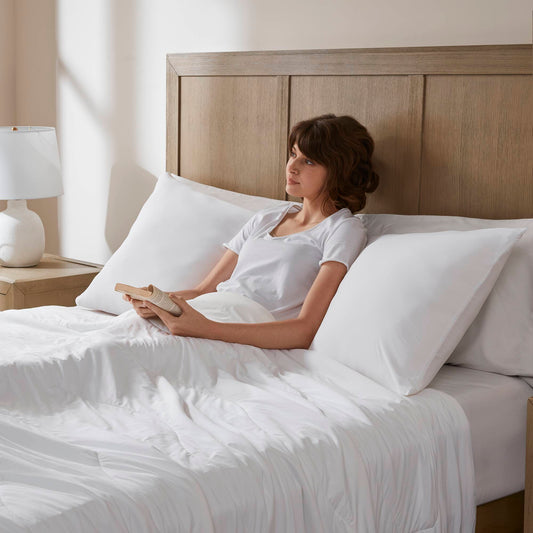
Crisp white bedding is the classic foundation of the hotel-inspired bedroom, and it works precisely because it provides such a clean, neutral base for textural layering. A white cotton percale sheet set beneath a white quilted comforter, finished with a loosely woven white or cream throw, creates a bed that reads as simultaneously airy and deeply comfortable. The absence of color contrast focuses the eye entirely on the interplay of textures the crispness of the sheets against the soft bulk of the comforter, the structured quilting against the relaxed fall of the throw.
White bedding also reflects light beautifully, which makes bedrooms feel more open and spacious even when the room itself is compact. When combined with natural fiber textures like linen or organic cotton, white bedding achieves an effortless luxury that feels genuinely calm rather than merely pristine.
Neutral Bedding with Soft Fabrics
Tonal neutral palettes layering beige against ivory, taupe alongside oatmeal, warm gray with soft cream create some of the most restful bedroom atmospheres available through bedding alone. The key to making tonal neutral bedding work is ensuring that the fabrics themselves carry enough textural variation to prevent the combination from feeling flat or monotonous.
Similar shades in different weaves a smooth cotton foundation with a textured linen coverlet and a chunky knit throw create a bed that is visually rich despite its restrained color range.
Soft bedding sets in these neutral tones are among the most versatile available, integrating cleanly with almost any wall color, flooring material, or furniture style. They provide a stable, calming visual foundation that allows other bedroom elements lighting, plants, artwork, textural accents to contribute without competing.
Earth-Tone Bedding for Cozy Bedrooms
Earthy bedding palettes sage, warm clay, muted olive, dusty terracotta, and deep warm brown bring a grounded, organic quality to a bedroom that cooler or brighter palettes rarely achieve. These tones reference the natural world in a way that feels inherently restful, and they deepen considerably in richness when the fabrics carrying them have genuine textural character.
A sage linen duvet cover feels fundamentally different from the same sage in a flat synthetic fabric the texture of the linen gives the color warmth and depth that the synthetic version cannot replicate. Earth-tone bedding works best when the fabrics are allowed to do as much expressive work as the colors, with varied textures across the different layers creating a sense of accumulated, organic warmth.
Popular Bedroom Styles That Rely on Bedding Texture
Luxury Hotel-Inspired Bedrooms
The hotel bedroom look is built almost entirely on the strategic use of bedding textures within a controlled, neutral color palette. Plush comforters with smooth outer shells, layered pillows in multiple covers and sizes, and a precisely folded throw at the foot of the bed these elements work together to create a bed that looks both immaculate and deeply comfortable. The quilted detailing on a comforter, the subtle sheen of a sateen pillowcase, the gentle nap of a velvet throw cushion each contributes a distinct tactile note to the overall composition.
Replicating this aesthetic at home requires paying attention to fabric quality and how layers interact with one another rather than simply accumulating bedding pieces. The hotel look comes from thoughtful coordination choosing pieces whose textures complement rather than compete and from keeping the color palette calm enough that texture can take center stage.
Scandinavian Bedrooms
Scandinavian bedroom design has a natural affinity with honest, natural-fiber bedding textures. Linen bedding sets in warm whites, pale grays, and natural undyed tones are fundamental to this aesthetic, bringing the relaxed, organic texture that the style depends on. Light cotton fabrics in similar tones layer beautifully over linen foundations, adding softness without weight.
The Scandinavian bedroom is an exercise in doing more with less achieving warmth and comfort through the quality of materials and the simplicity of their arrangement rather than through accumulation or ornamentation. Bedding texture is central to this, providing all the visual interest the style requires within a restrained, pared-back framework that feels genuinely calm.
Modern Minimalist Bedrooms
Soft cotton bedding sets form the natural foundation of minimalist bedroom styling. Their clean surface, reliable breathability, and easy care make them practically ideal for a design approach that values function and simplicity above decoration. The minimalist bedroom does not abandon comfort in pursuit of visual calm it finds comfort through the quality of its few chosen elements rather than through quantity.
Subtle textural layering within a minimalist framework a smooth cotton sheet set, a simply quilted coverlet, a single folded throw in a complementary natural fabric provides enough visual depth to make the bed feel finished and intentional without introducing any element that conflicts with the overall spare aesthetic.
Cozy Contemporary Bedrooms
Contemporary bedrooms that prioritize warmth and everyday comfort lean heavily on layered throws, textured comforters, and plush bedding combinations that create an atmosphere of accumulated coziness. These rooms are not strictly minimalist they embrace a degree of visual richness but they maintain the clean, considered quality of contemporary design by keeping colors restrained and letting texture carry the expressive weight.
Layered knit throws over quilted comforters, boucle cushions against smooth cotton pillowcases, and a mix of matte and slightly lustrous fabrics across the bed surface all contribute to a bedroom that feels simultaneously stylish and genuinely inviting. The result is a space that looks current and considered while remaining fully committed to physical comfort.
Common Bedding Texture Mistakes That Affect Bedroom Comfort
Even genuinely well-intentioned bedding choices can undermine bedroom comfort when certain key mistakes go unaddressed. These are the most common errors that prevent bedding from delivering its full potential.
- Using overly stiff fabrics: Bedding that feels scratchy, stiff, or rough against the skin disrupts sleep and prevents the bedroom from feeling genuinely restful, regardless of how well-coordinated it appears visually. Fabric feel should always be tested before purchasing.
- Too many competing textures: Layering is valuable, but layering fabrics with very different characters heavily embossed, boldly patterned, and loosely woven all at once creates visual noise rather than visual depth. The most effective textural combinations involve contrast that complements rather than competes.
- Ignoring breathable materials: Synthetic bedding that traps heat and moisture undermines sleep quality regardless of its visual appeal. Breathable natural fabrics are not a luxury upgrade they are a fundamental comfort requirement for everyday bedding.
- Over-layering with heavy bedding: Adding too many heavy layers makes a bed look and feel oppressive rather than cozy. Warmth and visual fullness are better achieved through multiple lightweight layers than through fewer heavy ones.
- Matching everything too perfectly: Bedding that is entirely uniform identical fabric, identical sheen, identical weight across every element reads as flat. Intentional variation in texture between layers is what gives a well-dressed bed its depth and visual interest.
- Choosing appearance over comfort: A bedding set that photographs beautifully but feels uncomfortable to sleep in or sleep under defeats the fundamental purpose of the bedroom. Comfort must remain the primary criterion, with aesthetics serving as a close second.
How to Make a Bedroom Feel Softer Instantly
Add Layered Bedding
The fastest way to transform the feel of a bedroom is to add a layer of bedding that the bed currently lacks. If the bed has only a flat comforter, adding a quilted coverlet folded at the foot introduces immediate visual depth. If there are no throw pillows, adding two or three in fabrics that complement the existing bedding creates a sense of fullness and care. If there is no throw blanket, draping one casually over a corner of the bed communicates warmth and ease in a way that a tidier, more minimal arrangement cannot match.
Each additional layer, when chosen thoughtfully, builds on the ones beneath it. The goal is not accumulation for its own sake, but the creation of a bed surface that has genuine textural variety smooth where smoothness serves, soft where softness serves, and warm where warmth serves.
Choose Breathable Cotton Fabrics
If a bedroom feels uncomfortable or sleeps poorly regardless of how it is styled, the most likely culprit is the base fabric of the bedding. Switching to high-quality cotton bedding sets particularly 100 percent cotton or organic cotton options almost always produces an immediate improvement in both comfort and sleep quality. The breathability of natural cotton keeps the sleeping environment cooler and fresher than synthetic alternatives, and its softness improves with each wash rather than degrading over time.
Breathable bedding also makes layering more practical, because natural cotton base layers do not trap heat the way synthetic materials do. Additional layers can be added and removed for seasonal comfort without the foundation layer ever becoming oppressively warm on its own.
Mix Smooth and Textured Materials
The most effective textural combinations in bedding are those that establish a clear contrast between a smooth base and a more textured outer layer. Crisp percale cotton sheets beneath a loosely woven linen duvet. A sateen pillowcase beside a textured boucle throw cushion. A smooth comforter finished with a chunky knit throw. These pairings work because the contrast between them makes each fabric's individual quality more apparent the smoothness feels smoother because something textured sits beside it, and the texture feels richer because it is set against a cleaner surface.
Keep the Color Palette Calm
A calm, muted color palette allows bedding textures to be seen and appreciated rather than overwhelmed by color contrast. When every element in a bedding arrangement is a different strong color, the eye spends its energy processing the color relationships and has little attention left for the subtler interest of textural variation. Neutral, earthy, and soft muted tones warm white, ivory, oatmeal, sage, soft taupe provide a visual environment in which texture can do its best work. The bedroom feels softer and more restful, and the bedding looks more considered, simply because the palette is calm enough to let the fabric speak.
Frequently Asked Questions
What bedding texture feels the softest?
Among everyday bedding materials, washed linen, organic cotton, and high-quality long-staple cotton consistently rank as the softest options. Washed linen develops a remarkable silkiness with repeated use, while organic cotton retains natural fiber softness that standard cotton sometimes lacks. Sateen-weave cotton has a slightly smoother, silkier surface than percale, which some sleepers find particularly comfortable. Ultimately, softness is partly a matter of weave as well as fiber the same cotton can feel meaningfully different depending on how it is woven.
Why do layered bedding textures feel more luxurious?
Layered bedding creates a sense of accumulated comfort depth and richness that a single flat piece, however high-quality, cannot replicate on its own. Each layer adds a distinct tactile and visual note, and the interaction between layers creates a complexity that reads as luxury. The smooth surface of a cotton sheet against the structured weight of a quilted comforter, softened by a loosely woven throw at the foot this combination produces a sensory experience that is qualitatively richer than any of its individual elements alone. Luxury bedding has always understood this principle, which is why hotel beds are defined by their layered construction rather than by any single exceptional piece.
Are cotton bedding sets good for year-round use?
Yes the breathability that makes cotton bedding so comfortable in warm weather also makes it well-suited to cooler months when used as part of a layered arrangement. During warmer seasons, a quality cotton bedding set on its own provides cool, comfortable coverage. As temperatures drop, the same cotton base layers beautifully with additional quilts, throws, and heavier comforters to build seasonal warmth without ever becoming uncomfortable. The adaptability of natural cotton across conditions is one of its most practically valuable qualities for everyday bedding use.
Does textured bedding make bedrooms feel cozier?
Yes, and the effect is both visual and psychological. Textured fabrics create a visual softness that flat surfaces cannot achieve they catch and diffuse light rather than reflecting it uniformly, which makes a room feel warmer and more dimensional. At the psychological level, visible texture communicates comfort and approachability in a way that smooth, uniform surfaces do not. A bedroom dressed in textured bedding feels like a place designed for rest rather than one that prioritizes appearance. The cumulative effect of these visual and emotional signals is a space that genuinely feels cozier rather than simply looking it.
What bedding works best in minimalist bedrooms?
Neutral cotton or linen bedding with subtle layered textures consistently performs best in minimalist bedroom contexts. The goal is to introduce enough tactile variation to prevent the room from feeling sparse or cold without adding visual complexity that conflicts with the minimalist aesthetic. A smooth cotton sheet set in warm white or soft gray, layered with a simply quilted coverlet and a single folded throw in a complementary natural fabric, achieves this balance precisely. The bedding feels complete and considered without drawing excessive attention to itself which is exactly what minimalist design requires of every element in the room.
Final Thoughts: Why Bedding Texture Shapes Everyday Bedroom Comfort
Bedding is not a backdrop. It is one of the most active elements in a bedroom's visual and emotional atmosphere, and the texture of that bedding determines much of what the room communicates about comfort, warmth, and care. A bed dressed thoughtfully with fabrics chosen for how they feel, how they breathe, and how they interact with one another creates a bedroom that functions as a genuine retreat rather than simply a sleeping space.
The most important shift in thinking about bedding textures is moving away from color as the primary consideration and toward fabric quality and textural variation as the real drivers of bedroom atmosphere. A beautifully coordinated color palette in flat, breathless fabrics will always fall short of a simpler palette layered with genuine textural richness. The warmth that makes a bedroom feel truly restful is almost always more a matter of fabric than of color.
Cotton bedding sets, organic cotton options, linen, and quilted layers each bring distinct qualities to this textural conversation. The best bedding arrangements draw from more than one of these materials, using their differences smooth against textured, crisp against soft, structured against relaxed to create a bed that has genuine depth and comfort rather than simply covering a surface.
Breathing space, softness, warmth, and visual calm are the qualities that make a bedroom feel truly restorative, and bedding textures are among the most direct and accessible means of achieving all four simultaneously. Choose fabrics that feel good against the skin, layer them with intention, keep the palette calm enough to let the textures speak, and the bedroom will reward that care with a quality of comfort that no amount of decorative effort alone can replicate.