Introduction: Why Curtains and Bedding Matter Together
Step inside a thoughtfully appointed sleeping space. You immediately catch the textile play. Drapery panels manipulate incoming daylight, while your mattress setup claims massive visual territory. Combined, these fabrics dominate roughly 68% of the soft-surface footprint inside your typical primary suite. That specific ratio dictates the atmosphere long before art or rugs enter the chat.
Styling your linens and window curtain treatments as a deliberate duo stops a space from looking haphazard. Tonal agreement handles the heavy lifting. Fabric heft and tactile variety finish the job. Factor in the harsh glare striking your duvet around 7:14 a.m. compared to late afternoon shadows, and the reasons for matching these features carefully become completely obvious. It goes way beyond pretty pictures.
Why Curtains and Bedding Should Be Styled Together
Creating a Balanced Bedroom Aesthetic
Deliberate color pairing gives your gaze a quiet landing spot. Picture an oat-tinted linen drape catching a faint, warm undertone from a sand-washed quilt. Flow happens naturally without forced identicality. Too many folks miss that exact nuance. Showrooms match stuff perfectly. Real homes coordinate.
Supporting the Overall Mood of the Bedroom
Sandy beiges, baked clays, and muted camels yank the vibe straight into sleepy territory. Honestly? That's exactly the goal for sleep quarters. Colder shades like pale slate or river rock look decidedly sharper. Very modern. Neither path is incorrect. They just tackle distinctly different atmospheric tasks.
Making Bedrooms Feel More Spacious and Organized
Piles of laundry aren't the only form of visual chaos. Harshly contrasting dyes fighting across the mattress and windows cause serious mental friction. Keeping both zones inside a shared color family stops your eyes from darting frantically. The layout suddenly breathes. Cramped, 110-square-foot guest rooms desperately need this trick.
Best Curtain Colors to Pair with Bedding
White Curtains with Neutral Bedding
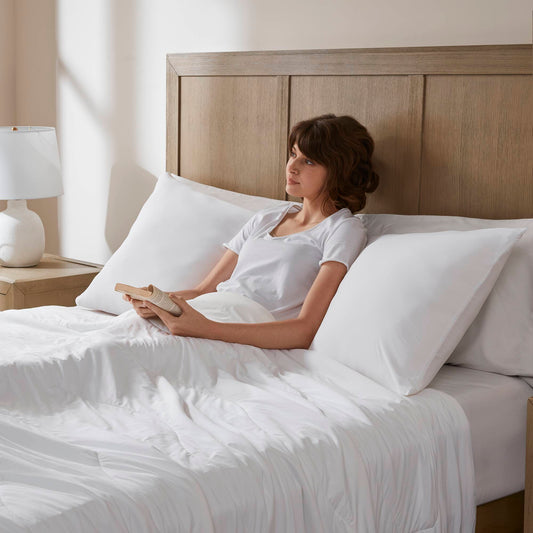
Translucent ivory panels fix nearly anything. They push light onto greige paint without starting a turf war. Plus, a milky or off-white Comforter Set looks remarkably cloud-like rather than unwashed next to them. Minimalist fans love this. Crisp snow tones against toasted taupe drywall? Absolutely classic.
Beige and Cream Curtain Combinations
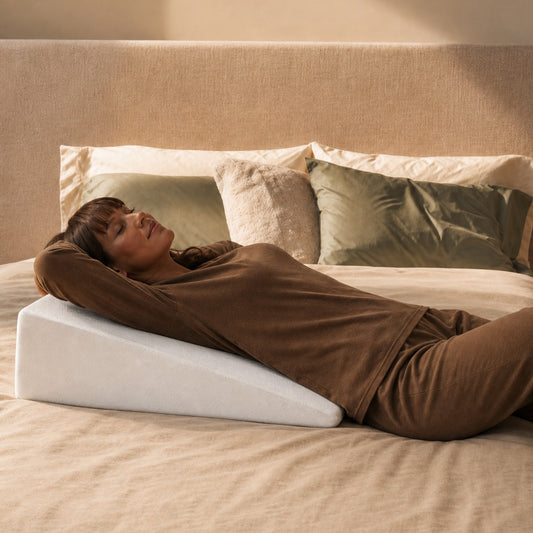
Layering identical hues is aggressively popular right now. Pair some wheat-toned Window Panels with an ecru quilt. Toss a tan blanket across the footboard. The output feels like stepping into one of those absurdly peaceful internet aesthetics. Drab beige walls thrive under these conditions since zero elements demand starring roles.
Soft Gray and Taupe Pairings
People wrongly label gray as overly frigid. Yet a mushroom-tinted drape sitting beside ash-colored Bedding Sets feels incredibly snug. Contemporary styling happens effortlessly here. Toss a vintage brass reading light on the nightstand. Finished.
Earth-Tone Accent Combinations
Washed-out eucalyptus, rusted iron, or dusty azure function terribly as main characters. Keep those punches reserved for decorative Throws or a solitary Quilt Set. Let the window treatments fade into the background. Muddy palettes survive best when the glass coverings refuse to outshine the mattress.
How Fabric and Texture Work Together in Bedroom Design
Layered Bedding and Curtain Textures
Stacking textiles pushes spaces past basic decency into architectural-digest territory. Grab reliable Cotton Bedding Sets for your foundation. Toss on a ribbed Coverlet Set. Wedge a heavy cable-knit item at the bottom edge. Marry that pile with thick, slubby flax drapery. Instant dimensional grit you can physically feel just by looking.
Linen, Cotton, Velvet, and Sheer Fabrics
Different weaves spit out totally separate vibes:
- Linen — rumpled, highly breathable, wonderfully imperfect.
- Cotton — aggressively washable and casually soft.
- Velvet curtains — moody and physically warm. Incredible for blocking brutal west-facing afternoon rays.
- Sheers — giant softboxes turning noon glare into a gentle haze.
Skip buying the whole catalog. Two distinct materials will suffice.
Balancing Heavy and Lightweight Fabrics
Massive drapes colliding with a 12-pound down insert and an upholstered headboard creates a suffocating bunker. Is the drapery thick? Strip back the mattress layers. Got a ridiculously plump sleeping setup? Hang whisper-thin window coverings instead.
Bedroom Styles That Depend on Coordinated Curtains and Bedding
- Modern Minimalist Bedrooms. Uncomplicated, solid-toned Comforter Sets paired against slate or starch-white dropcloths. Nothing fussy.
- Scandinavian-Inspired Bedrooms. Piles of milk-white textiles, unbleached oat sheer panels, and precisely one chunky blanket.
- Luxury Hotel-Inspired Spaces. Stacked Luxury Bedding alongside aggressively pleated drapery echoing the headboard's exact hue. Generous floor pooling is mandatory.
- Cozy Neutral Bedrooms. Warm putty walls housing textured blankets and fully lined flax drops. This remains the aesthetic most actual humans prefer to inhabit.
- Contemporary Bedrooms with Contrast. Inky charcoal or muddy olive panels flanking bleached Modern Bedding Sets. Tricky to pull off, but gorgeous if you nail the ratios.
How Curtains Influence Bedroom Lighting and Bedding Appearance
Natural Light Changes Bedding Tones
Midday sun makes a pale vanilla blanket look sharply white. By 6:45 p.m., that exact same fabric glows vaguely peach. Always audition fabric swatches inside the specific space throughout the day. In our experience, buyers frequently return hundreds of dollars of merchandise simply because they picked colors under garbage 4000K LED bulbs at night.
Sheer Curtains for Airy Bedrooms
Gauzy fabrics filter sunlight to make Neutral Bedding practically radiate. Stuck with a depressing north-facing window? Hanging transparent panels ranks among the absolute cheapest afternoon fixes available.
Blackout Curtains for Cozy Bedrooms
Room-darkening textiles handle way more than stopping streetlamps. They dampen garbage truck rumbles. They trap February heat. Dark corners make textured blankets feel absurdly safe. Combine these heavy-duty drops with Luxury Comforter Sets and brushed percale to maximize the hibernation factor.
Layering Tips for a Professionally Styled Bedroom
- Secure a boring base layer first. Think unpatterned duvets in your room's primary shade.
- Introduce tactile noise next. Toss a rumpled Bed Blanket or nubby knit at the footboard.
- Manage the window hardware height. Hanging rods higher and letting fabric pool roughly 1.5 inches onto the floorboards adds instant polish.
- Deploy loud pigments sparingly. Throw a single mustard pillow on the mattress.
Common Mistakes When Matching Curtains and Bedding
- Buying identical materials for everything. It just screams "cheap catalog bundle."
- Clashing geometries across the room. Stick to one loud print.
- Ignoring tactile shifts. Smoothly woven threads everywhere makes a space feel oddly hollow.
- Stuffing heavy theatrical velvet into an 8x10 shoebox layout. The footprint shrinks.
- Piling on 14 pillows. You have to actually sleep there eventually.
Stuck on a weird fabric pairing? Are you wondering if olive clashes with taupe? Ping our design crew for a quick, complimentary gut-check. External perspectives prevent exhausting return shipping trips.
How Coordinated Curtains and Bedding Improve Bedroom Comfort
Better Light and Temperature Control
Heavy drapes stop July sunbeams from blinding you before dawn. January chills stay trapped against the glass. We aren't talking about interior decorating anymore. This dictates your REM cycle.
Softer, More Relaxing Atmosphere
Matched threads quantifiably lower the background anxiety of a room. Your nervous system physically powers down quicker. You'll feel the tension drop in exactly the first twelve seconds after crossing the threshold.
Easier Seasonal Updates
Leave the expensive window treatments alone. Swap out flimsy Quilt Sets when April hits, then drag the faux-bearskin out in October. The skeleton remains untouched. Only the skin shifts.
FAQs
Should curtains match bedding exactly?
Definitely not. Tonal cousins look vastly superior to exact clones.
What curtain colors work best with neutral bedding?
Alabaster, bone, dusty taupe, or greige. Keep warm temperatures paired with warm fabrics.
Are sheer curtains good for bedrooms?
Absolutely. Dim, cramped quarters desperately need them. Creeped out by neighbors? Just hang opaque backing behind the gauze.
What bedding fabrics pair best with linen curtains?
Percale, garment-washed sheets, or heavily stitched quilts. Flax despises anything glossy or synthetic.
How do hotels coordinate curtains and bedding?
Tight color palettes. Piles of stark white. Exaggerated fabric lengths pooling on the carpet. They violently reject using more than a handful of hues.
Can I mix patterns between curtains and bedding?
Sure. Let one geometric print scream while the other stays completely silent.
Final Thoughts: Bringing Bedroom Design Together Through Textiles
Mattresses and windows perform wildly separate duties. Yet they jointly command the immediate vibe when you twist the doorknob. Nail the dye batches. Mix up the weaving techniques. Watch the shadows move at 4:00 p.m. Everything else magically falls into place. Trying to hunt down compatible fabrics across nine different websites gets old fast. If you prefer curated Window Curtain drops alongside reliable Bedding lines, Madison Park handles the tonal math for you. Reach out directly if your specific floor plan requires custom sizing.