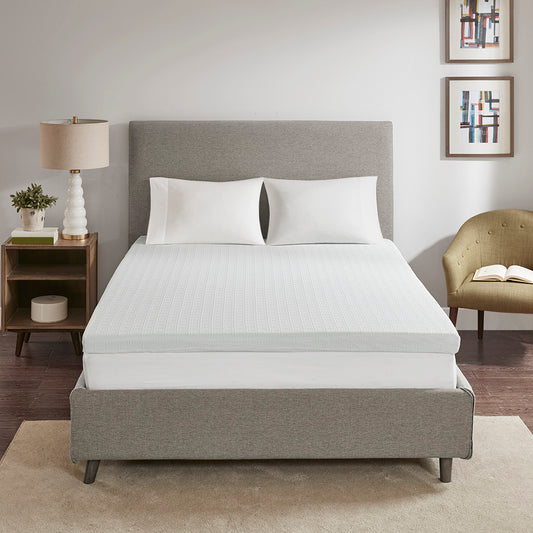
Walk into certain bedrooms and you feel it right away: your shoulders drop, your breathing slows, and the room seems to ask less of you. That kind of comfort rarely comes from one expensive purchase. More often, it’s the result of smart layers, gentle lighting, and a few thoughtful choices that make the space feel easy to live in. If you’ve ever wondered why one room feels cold and unfinished while another feels like a quiet retreat, the answer usually starts with texture, light, and the right bedding.
Why does bedding change the feel of a bedroom so quickly?
The bed is the largest visual element in most bedrooms, so it naturally becomes the bedroom focal point. Change what’s on it, and the whole room shifts.
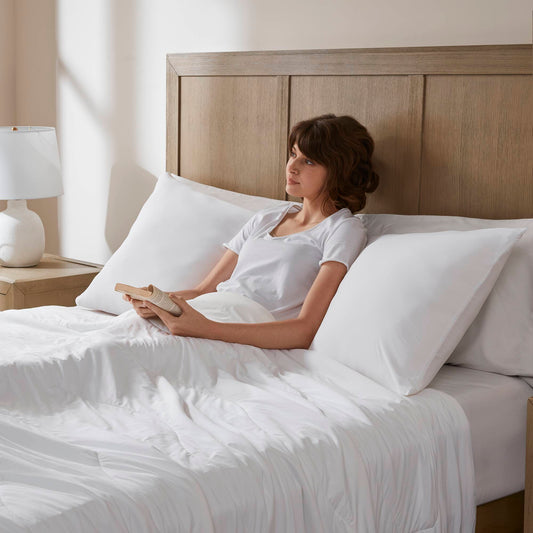
A flat, underdressed bed can make even a nice room feel temporary. On the other hand, full, inviting bedding sets create instant softness and structure. The reason is simple: your eye reads layers as comfort.
Think about a well-made hotel bed. It usually has:
- A substantial comforter
- Crisp sheets
- A folded bed blanket
- A couple of accent pillows
Sometimes one of those casual throws tossed at the foot of the bed
That combination signals rest before you even sit down.
The psychology of plush layers
Humans tend to associate softness and fullness with warmth and safety. That’s why soft bedding sets can make a room feel more welcoming in minutes. Even if the furniture stays the same, adding plush volume to the bed can create a noticeably more comfortable sleep environment.
Material matters more than people think
Not all comfort feels the same. Breathable bedding materials such as cotton are especially popular in the U.S. because they help regulate temperature across seasons. Cotton bedding sets tend to feel familiar, easy to care for, and comfortable without looking overly formal.
If you want the room to feel instantly better, start with what touches your skin first.
What bedding choices make a bedroom feel cozy instead of cluttered?
Comfort and clutter are surprisingly close cousins. Layering helps, but too much bulk or too many competing patterns can have the opposite effect.
The best-looking cozy rooms usually follow a simple rule: mix texture more than color.
Build the bed in layers
Strong layered bedding ideas often include:
- Sheets in a breathable fabric
- A quilt or lightweight cover
- A fuller top layer like a comforter
- One extra texture at the foot of the bed, such as a bed blanket or one of the decorative throws
This works because each layer has a job. A quilt adds shape. A comforter adds loft. A throw adds personality.
If you like a polished look, comforter sets can make the room feel put together fast because the pieces already coordinate. If you prefer lighter styling, quilt sets or coverlet sets can create a cleaner, flatter finish that still feels soft and inviting.
Texture beats busy patterns
A room can feel warm without being loud. In fact, many of the most restful spaces use a neutral bedroom palette and lean on soft bedroom textures instead of bold prints.
Some reliable texture combinations:
- Washed cotton with knit throws
- Smooth sateen with a stitched quilt
- Linen-look layers with velvet accents
- Chunky or faux fur throws for winter softness
That’s the trick behind many cozy home interiors: visual variety without chaos.
How much do lighting and color affect bedroom comfort?
A lot. Maybe more than people expect.
You can have beautiful luxury bedding, but if the room is lit like an office break room, it won’t feel restful. Lighting changes the mood almost instantly, which is why it’s one of the fastest fixes for a bedroom that feels off.
Warm light makes a room feel more forgiving
For a softer mood, warm bedroom lighting works better than cool white bulbs. Table lamps, wall sconces, or dimmable bedside lights help create a more personal scale. Overhead lighting has its place, but it rarely makes a bedroom feel cozy on its own.
A comfortable room usually uses layers of light, just like it uses layers of bedding.
Try:
- Warm bulbs instead of bright blue-toned bulbs
- Two bedside lamps for balanced light
- A dimmer if possible
- One soft accent light in a darker corner
This approach helps create a true cozy bedroom atmosphere rather than a room that simply looks decorated.
Color should calm the eye
A calm bedroom aesthetics approach often starts with colors that don’t compete for attention. That doesn’t mean the room has to be beige and forgettable. It means the palette should support rest.
Popular colors for comfortable bedroom design include:
- Soft white
- Warm taupe
- Sand
- Muted sage
- Dusty blue
- Greige
- Charcoal used sparingly for contrast
These shades pair especially well with modern bedding sets and make the bed look more substantial without overwhelming the room.
What role do blankets, quilts, and throws really play?
They do more than keep you warm. They finish the room.
A bedroom without top layers can feel like it stopped halfway. Add a folded quilt or a casual throw, and suddenly the room looks thoughtful.
Quilts and coverlets create shape
Quilt sets are useful when you want comfort without too much puffiness. They add pattern, stitching, and a lived-in softness that suits both classic and modern spaces.
Coverlet sets work similarly, though they often look a little cleaner and more tailored. If your bedroom leans toward minimalist bedroom décor, a coverlet is often a better fit than a bulky top layer.
Throws add personality without commitment
A pair of throws can make the room feel less staged. They suggest real life: a cool night, a Sunday nap, a book before bed.
You can rotate them by season:
- Lightweight cotton or woven throws in spring
- Knit layers in fall
- Heavier fur throws in winter for extra warmth and softness
That small switch has a surprisingly big impact on relaxing bedroom décor.
Why do some bedrooms feel luxurious even when they aren’t expensive?
Because comfort reads as luxury.
People often assume a high-end bedroom is about cost, but the better test is this: does the room feel finished, soft, and easy to settle into? If yes, it already has the essence of luxury bedding style, even if every item came from a practical budget.
Fit and proportion matter
A comforter that’s too small can make a bed look skimpy. Pillows that are flattened or undersized weaken the effect. Well-proportioned comforter sets and supportive pillows make the bed feel generous, which is one of the main visual cues behind hotel-inspired bedrooms.
If you want that look at home:
- Size up your comforter when possible
- Use pillows that actually fill the shams
- Add one folded layer at the foot of the bed
- Keep the bed looking full, not fussy
Simplicity usually wins
Many current bedroom comfort trends lean toward simpler styling. Not empty. Just edited.
That means:
- Fewer decorative pillows
- Better materials
- More tactile fabrics
- Cleaner lines
- A stronger emphasis on textured bedding design
The result is a room that feels modern but still soft. That balance is the sweet spot in modern bedroom styling.
How can you make a bedroom feel more comfortable without a full makeover?
You do not need to repaint the room, replace all the furniture, or spend a month planning it. A few targeted changes can shift the room fast.
Start with the bed, then adjust the atmosphere
If you’re updating for comfort, prioritize these bedroom comfort essentials:
- Fresh bedding sets in breathable fabric
- A supportive but soft comforter
- One extra bed blanket
- A couple of textured throws
- Better bedside lighting
- A cleaner, quieter color story
That combination changes both the look and the experience of the room.
A practical comfort checklist
If your bedroom still doesn’t feel right, ask:
- Is the bed layered enough?
- Do the fabrics feel good against the skin?
- Is the lighting warm?
- Is the palette restful?
- Are there enough plush bedding layers to make the bed look inviting?
- Does the room feel personal, or just furnished?
Comfort tends to come from those small yes-or-no details.
Simple upgrades that make the biggest difference
If you want the fastest improvements, focus here first:
- Replace worn-out bedding with cotton bedding sets or other breathable options
- Swap a flat top layer for a fuller comforter
- Add one quilt, coverlet, or blanket for depth
- Use fewer but better textures
- Introduce warm bedside lighting
- Stick with a softer, more cohesive palette
That’s usually enough to create the kind of room people describe as calm, warm, or “just better” the second they walk in.
If you’re reworking your space and want a smarter plan, request a free bedroom comfort checklist or reach out through our contact form for personalized ideas on choosing the right bedding, layers, and finishing touches for your room.
FAQs
What is the fastest way to make a bedroom feel more comfortable?
The fastest fix is upgrading the bed itself. New bedding, a fuller comforter, and one added textured layer can change the room in a single afternoon.
Are comforter sets better than quilt sets?
It depends on the look you want. Comforter sets feel fuller and warmer, while quilt sets usually look lighter and more tailored. Many people prefer comforters for winter and quilts for warmer months.
What colors make a bedroom feel cozy?
Soft neutrals, warm whites, taupe, muted green, and dusty blue tend to create a more restful mood. These tones support a cozy bedroom atmosphere without making the room feel dark.
Do throws really make a bedroom feel better?
Yes. Throws add softness, texture, and a more relaxed look. Even a single throw at the foot of the bed can make the room feel less stiff and more lived in.
What bedding material is best for comfort?
For many households, cotton is the easiest answer. Cotton bedding sets are breathable, versatile, and generally comfortable year-round.
How do I get a hotel-inspired bedroom at home?
Focus on clean layers, good pillow fill, a generous comforter, and simple colors. The most convincing hotel-inspired bedrooms feel crisp but not cold.
Can a minimalist bedroom still feel cozy?
Absolutely. Minimalist bedroom décor works well when the room uses soft textures, warm lighting, and just enough bedding layers to keep the bed from looking flat.
A comfortable bedroom doesn’t need to be dramatic. It just needs to feel considered. The right bedding sets, balanced lighting, a few tactile layers, and a calm palette can turn an ordinary room into the place you most want to be at the end of the day. If you’re ready to refresh your setup, get in touch for a free bedding and bedroom comfort guide tailored to your style and sleep habits.