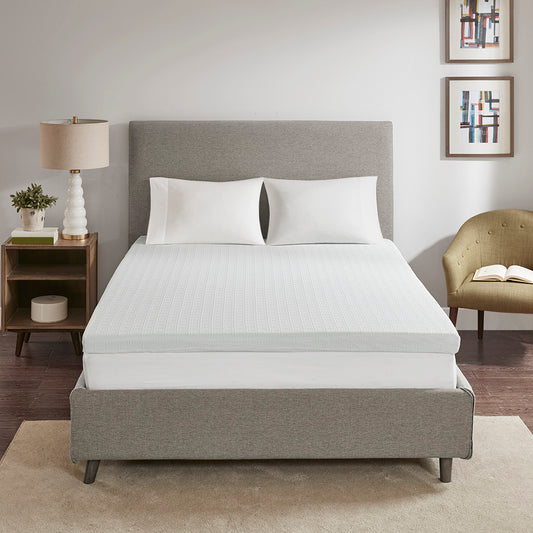
Walk into a high-end bedroom, and one thing usually grabs your attention before anything else: the bed. Not just the bed frame or headboard, but the full styling of it the sheets, the folded quilt, the extra pillows, the textured throws, the way every layer seems deliberate without looking stiff. That’s the appeal of layered bedding. It turns a basic sleep setup into a visual centerpiece, and in luxury bedroom interiors, that difference matters.
Layered beds have become a defining feature of upscale design because they do two jobs at once. They make a room feel richer, and they make the bed feel better to use. That’s a rare combination. Plenty of décor looks pretty but feels impractical. A well-layered bed does the opposite. It looks polished, inviting, and expensive while also giving people more comfort options at night.
For business owners in the USA especially those in hospitality, real estate, staging, interior design, or home retail this trend is worth paying attention to. It reflects what people want from premium spaces now: softness, warmth, visual depth, and a bedroom that feels like a retreat rather than an afterthought.
Layered beds create instant visual luxury
A layered bed looks more expensive because it adds depth. That’s the simplest answer, and honestly, it’s the truest one.
A flat bed with a single comforter may be neat, but it rarely feels memorable. Add a fitted sheet, top sheet, coverlet, duvet, decorative pillows, a bed blanket, and a couple of throws, and the entire bed starts to read differently. Suddenly, there’s dimension. The eye has places to land. The bed feels styled rather than merely made.
Why depth matters in high-end bedroom styling
Luxury design almost always relies on layering. You see it in lighting, rugs, window treatments, and furniture materials. The same principle applies to bedding sets. When multiple fabrics and weights are stacked thoughtfully, the bed gains what designers often call “presence.”
That presence matters because the bed is usually the bedroom focal point. In a primary bedroom, guest suite, boutique hotel room, or staged property, the bed sets the tone for the whole space. If it looks flat, the room often feels flat too.
Texture does more than color ever could
A lot of people think luxury comes from bold color or ornate patterns. Sometimes it does. But more often, it comes from texture.
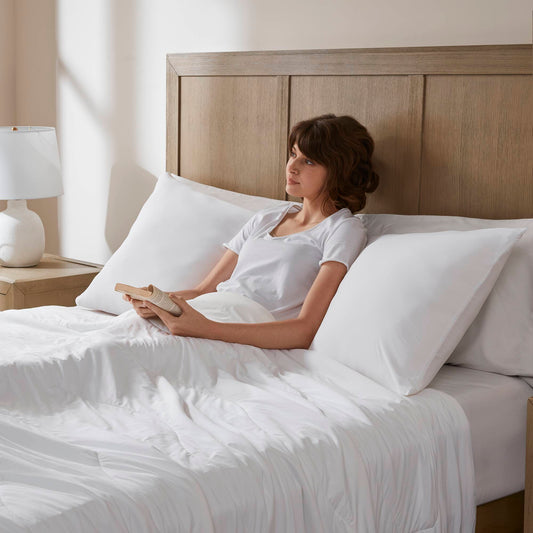
That’s why neutral bedding is so common in upscale spaces. Cream, taupe, white, soft gray, and sand tones may look simple on paper, yet they feel refined when paired with textured bedding design. Think crisp cotton sheets under a quilted coverlet, topped with a plush comforter and finished with fur throws or a knit accent blanket. The palette stays restrained, but the room still feels layered and rich.
They make the bedroom feel more comfortable and personal
A layered bed isn’t just for show. It improves the actual sleep and lounging experience.
This is one reason hotel-inspired bedding has had such staying power. People love a bed that feels generous. Not overloaded, but abundant. A bed with options. One person may sleep hot and kick off the comforter. Another may want an extra bed blanket at 3 a.m. Layering solves that without sacrificing style.
More layers mean flexible comfort
With layered bedding, you’re not stuck with one temperature or one texture. You can use:
- Lightweight coverlet sets for warmer months
- Quilt sets for breathable midweight comfort
- Luxury comforter sets for colder seasons or a fuller look
- Throws at the foot of the bed for easy extra warmth
- Cotton bedding sets for softness and better airflow
That flexibility is a huge part of why layered beds have become a bedroom comfort trend instead of a passing design fad.
It gives rooms a lived-in polish
There’s also something deeply human about a layered bed. It doesn’t feel sterile. It feels used in the best possible way—welcoming, restful, comfortable.
That matters in modern luxury home styling. People are less interested in bedrooms that look too precious to touch. They want a comfortable bedroom setup that still feels elevated. Layered bedding bridges that gap beautifully. It says, “This room is styled,” but it also says, “Go ahead and sink in.”
Layered bedding helps designers balance softness and structure
Great interiors usually depend on contrast. Hard and soft. Clean and cozy. Tailored and relaxed. A layered bed brings that balance into the room better than almost any other element.
Bedrooms naturally include a lot of rigid lines—headboards, nightstands, dressers, lamps, windows. Without enough softness, those lines can make the room feel a little cold. Bedding changes that immediately.
Soft materials warm up modern bedroom aesthetics
In many homes, especially newer builds or renovated spaces, bedrooms lean modern. You’ll see simple millwork, streamlined furniture, and minimal color schemes. That can be beautiful, but it can also feel a little stark without the right textiles.
Soft bedding materials help fix that. A smooth sheet set under a lightly textured quilt, topped with a cloud-like comforter, introduces movement and ease. Add designer bedding sets with subtle stitching or tonal patterns, and the room gains warmth without becoming cluttered.
That’s the magic of bedroom texture layering. It softens the architecture while keeping the overall design clean.
It keeps a room from feeling one-note
A bedroom with only one fabric finish can look unfinished, even when everything in it is expensive. Layering creates variation:
- Matte cotton against velvet or faux fur
- Smooth coverlets against chunky knit throws
- Crisp white bedding against a padded bench or upholstered headboard
- Neutral bedding paired with darker wood or metal accents
That kind of interior design balance is what makes a room feel professionally styled instead of randomly assembled.
They support the “quiet luxury” look buyers and guests want
If you’ve noticed more bedrooms styled in creams, warm whites, oat tones, and muted grays, you’re not imagining it. Quiet luxury has shaped a lot of current bedroom design, and layered beds fit that look perfectly.
Quiet luxury isn’t about flashy excess. It’s about quality, restraint, and comfort that looks effortless. That’s exactly what layered bedding communicates.
Luxury now looks softer, not louder
A decade ago, “luxury bedding” often meant ornate patterns, shiny fabrics, or dramatic color palettes. Today, the standard feels different. People want bedrooms that look calm. Plush bedding layers in a neutral bedroom palette often feel more upscale now than anything overly formal.
That’s why modern bedding sets are frequently built around understated materials and muted tones. The richness comes from construction, touch, and layering—not from visual noise.
Layering photographs beautifully
There’s also a practical reason layered beds keep showing up in high-end interiors: they look fantastic in photos.
For real estate listings, hotel marketing, short-term rental branding, and interior portfolios, a layered bed adds visual value immediately. It fills the frame, creates softness, and signals care. Even people who can’t name the exact materials can tell the room feels premium.
That matters in business. A well-styled bed can influence how people perceive an entire property, from boutique inns to luxury apartments.
They make it easy to refresh a room without a full redesign
One of the smartest things about layered bed styling is that it gives a room range. You can change the entire mood of a bedroom without replacing furniture, repainting walls, or starting over.
That’s a big deal for anyone managing guest rooms, model homes, hospitality suites, or premium residential spaces.
Bedding is one of the fastest style updates you can make
Swap out heavy winter comforter sets for lighter quilt sets in spring. Add fur throws and deeper tones in colder months. Use cotton bedding sets and a breezy coverlet in summer. The room feels updated almost instantly.
Because the bed takes up so much visual space, even small changes in bedding sets have an outsized effect.
It allows for seasonal and brand flexibility
For businesses, that flexibility is useful. A luxury rental, hotel, or staged home can shift its look through decorative bedding accents rather than costly renovations. You can keep the core room neutral and freshen the impression with:
- New throws
- Different pillow covers
- A lighter coverlet
- A textured bed blanket
- Updated luxury comforter sets
That’s efficient design. And frankly, it’s why layered bedding remains such a practical investment alongside its obvious visual appeal.
How to create a layered bed that looks luxurious, not overdone
This is where a lot of people go wrong. They hear “layered” and assume more is always better. It isn’t.
A luxurious bed feels intentional. Every layer should have a purpose—comfort, texture, warmth, or visual contrast.
Start with the essentials
A strong layered bed usually includes:
- A quality base sheet set
- A top layer such as a quilt, coverlet, or comforter
- One extra warmth layer like a bed blanket
- Decorative elements such as throws or accent pillows
If you’re aiming for a high-end look, focus first on the foundation. Cheap fabric tends to flatten the whole effect. Better materials make even simple bedding look refined.
Stick to two or three textures
This is especially true if you’re working with neutral bedding. Too many competing finishes can make the bed look busy. A cleaner mix often works better:
- Crisp cotton
- Quilted stitching
- One plush accent, such as faux fur or boucle
That combination usually gives enough variation without making the room feel crowded.
Let the color palette stay calm
Luxury bedroom interiors often succeed because they feel restful. Keep the color story controlled. That doesn’t mean everything has to be white, but it should feel related. Warm neutrals, charcoal, soft blue-gray, olive, or muted clay can all work when layered thoughtfully.
FAQs
What is layered bedding?
Layered bedding is the practice of combining multiple bed coverings and textiles—such as sheets, quilts, coverlets, comforters, and throws—to create a bed that feels both comfortable and visually styled.
Why does layered bedding look more expensive?
It adds depth, texture, and softness. Those details make the bed appear fuller and more intentional, which is why layered beds are so common in luxury bedroom interiors and hotel-inspired bedding designs.
What’s the difference between a quilt, a coverlet, and a comforter?
A quilt is usually lightweight and stitched, often with a flatter profile. A coverlet is also lighter but tends to have a cleaner, more tailored finish. A comforter is thicker and fluffier, making it ideal for a plush, fuller bed appearance.
Are neutral bedding colors better for luxury interiors?
Often, yes. Neutral bedding works well because it highlights texture, keeps the room calm, and supports a relaxing bedroom décor style. It also makes seasonal updates easier.
Can layered beds still work in modern spaces?
Absolutely. In fact, layered beds are one of the best ways to soften modern bedroom aesthetics. They bring warmth and texture into rooms that might otherwise feel too sharp or minimal.
How many layers should a luxury bed have?
Most luxury beds look best with three to five functional layers, plus a few decorative accents. More than that can start to feel bulky unless the room is very large and the styling is carefully controlled.
Is layered bedding practical for daily use?
Yes, as long as the setup is realistic. The best layered beds combine beauty with convenience—easy-to-fold throws, breathable materials, and layers you can remove or add depending on the season.
Want help choosing the right layered bedding look?
If you’re refining a bedroom for a home, hospitality space, model suite, or staging project, now is a good time to review how your bedding choices are shaping the room. Request a free styling consultation or quote to get expert guidance on bedding sets, comforter sets, quilt sets, and designer-friendly combinations that create a polished, comfortable result.
Layered beds are popular in luxury interiors because they solve several design needs at once. They add texture, create a cozy bedroom atmosphere, support better comfort, and turn the bed into a true focal point. More than that, they reflect where high-end design has gone in recent years: away from stiffness and toward warmth, softness, and everyday beauty. When done well, layered bedding doesn’t just decorate a room. It changes how the room feels.