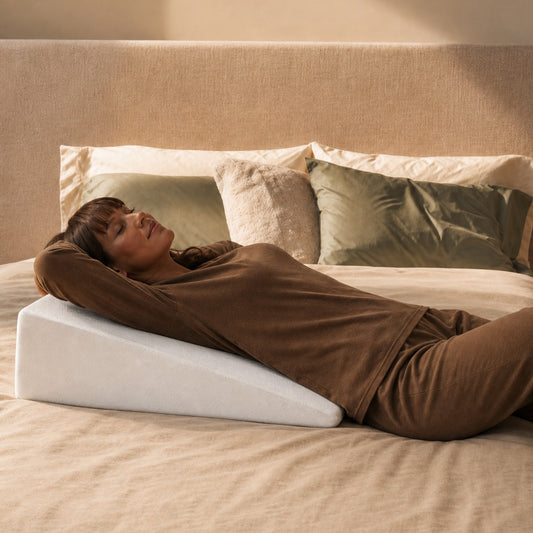
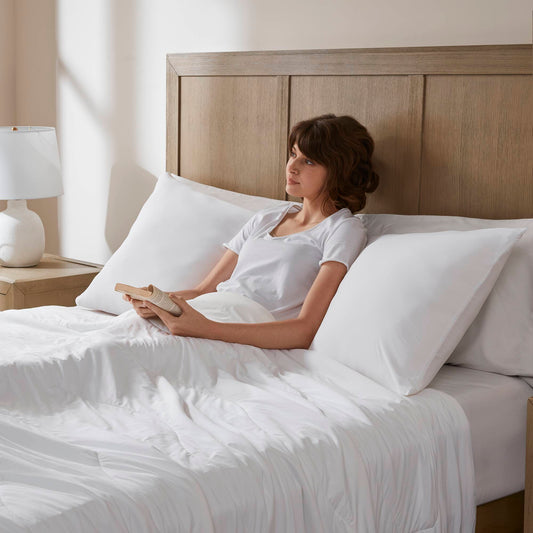
Introduction: Why Earth-Tone Bedding Feels Naturally Comforting
Some color palettes ask for attention. Others simply make a room feel better to be in. Earth tones belong firmly in the second category and the bedrooms that use them most effectively are the ones that feel genuinely restful rather than merely styled. Sand, clay, sage, terracotta, taupe, warm brown, and muted olive are not exciting colors in the conventional sense, but they possess a quality that more vibrant palettes rarely achieve: they make people feel immediately at ease.
Bedding is where this effect is most concentrated and most directly felt. As the largest soft surface in any bedroom, bedding sets the visual and emotional tone of the entire space. Earth-tone bedding carried in fabrics that have genuine texture and natural character creates a calming atmosphere that works on the eye and the nervous system simultaneously, reducing visual stimulation and communicating the grounded, settled quality that genuinely restful sleep environments require.
The role of texture in this is inseparable from the role of color. Linen bedding sets in warm sand tones, velvet bedding in deep terracotta, soft cotton layers in natural oatmeal each of these combines color and material in a way that reinforces the other. The color is calming and the texture adds depth, and together they create a bedroom that feels unhurried and inviting in a way that neither element achieves on its own. This guide covers why earth tones work so well in bedrooms, which fabrics carry them most beautifully, how to layer and coordinate them effectively, and how to avoid the mistakes that prevent earthy palettes from reaching their full potential.
Why Earth-Tone Bedding Creates a Calmer Bedroom Atmosphere
Warm Colors Reduce Visual Stress
Color affects the nervous system in ways that interior designers and behavioral researchers have studied extensively, and the findings are consistent: warm, muted, earth-inspired tones create measurably lower arousal states than bright, saturated, or high-contrast palettes. The eye processes cool white walls and bright accent colors as stimulating demanding enough visual engagement to keep the brain slightly active rather than settling into the relaxed receptivity that precedes sleep. Earth tones make none of these demands.
Sand, taupe, warm gray, and muted sage create what might be described as visual quietness a room environment where the eye finds nothing it needs to track, process, or respond to actively. This quietness is not emptiness; a well-styled earth-tone bedroom has genuine visual richness through its textural layering. But it delivers that richness without the edge of stimulation that brighter or more contrasting palettes inevitably carry. For a bedroom, which needs to support the transition from wakefulness to rest, this distinction matters considerably.
Natural Tones Feel More Relaxing
Earth tones work at a deeper level than mere visual preference because they connect interiors to the natural world in a way that the body recognizes instinctively. The colors of dry earth, weathered stone, living moss, river clay, and aged wood are the colors that surrounded human beings for most of evolutionary history. They are colors that the body associates with safety, shelter, and the kind of environment where rest is appropriate and natural rather than vulnerable or exposed.
Bringing these tones into a bedroom through sage green bedding that references living plants, clay-toned pillows that reference fired earth, warm brown throws that reference aged wood creates an interior that feels grounded in the most literal sense. The room does not feel artificially constructed or maintained at the cost of considerable effort; it feels settled and honest, as though it arrived at its current character naturally. This quality of groundedness is one of the most effective contributors to the sense of calm that makes an earth-tone bedroom so consistently appealing.
Bedding Becomes the Visual Anchor of the Room
In any bedroom, the bed is the dominant piece of furniture and the bedding covering it is the room's primary visual element. Whatever color and texture the bedding presents, the room's atmosphere follows. Earth-tone bedding sets this tone in the direction of calm, warmth, and settled comfort creating a visual foundation from which everything else in the room can harmonize naturally rather than needing to compete or assert itself.
This anchoring quality is particularly valuable because it does the room's emotional work passively. A terracotta bedding set does not require coordinating accessories, elaborate styling, or expensive complementary pieces to create a warm, inviting atmosphere the color and texture of the bedding itself sets the tone, and the room benefits from that setting simply by containing it. Modern bedding sets in earthy palettes create this effect reliably across a wide range of room sizes, furniture styles, and lighting conditions, which is part of what makes them such a consistently satisfying design choice.
Best Earth-Tone Bedding Colors for Cozy Interiors
Beige and Sand Bedding for Warm Minimalism
Beige and sand tones are the most versatile entry points into earth-tone bedding because they carry warmth without asserting a specific mood or aesthetic direction. A sand-toned luxury bedding set in quality natural fiber reads as warm, airy, and quietly sophisticated in a way that suits modern minimalist bedrooms, Scandinavian-inspired spaces, coastal interiors, and practically every other contemporary aesthetic context without requiring any adjustment. The color is neutral enough to disappear into the room's background when that quality is needed and warm enough to contribute genuine comfort when the lighting and surrounding décor call for it.
In bedrooms where the furniture is clean-lined and the overall palette is deliberately restrained, beige and sand bedding provides the warmth that prevents the space from tipping into coldness. A sand-toned linen bedding set over white cotton sheets, with a natural oatmeal throw folded at the foot, creates a bed arrangement that looks effortlessly complete neither over-styled nor under-considered in any room where the surrounding elements share its quiet, unpretentious quality.
Sage Green Bedding for Relaxing Spaces
Sage green occupies a unique position in the earth-tone palette it is a color with enough identity to give a room genuine character, but quiet enough in its specific muted, dusty register to remain fully compatible with the calming, restful atmosphere that bedroom design requires. Unlike brighter or more saturated greens, which can feel energizing or demanding, sage reads as organic and peaceful the color of plants seen through afternoon mist rather than in full midday sun.
Bedding in sage green pairs particularly well with natural wood furniture, warm-toned flooring, and linen textures because it shares the organic quality of all these materials. A pure linen bedding set in sage, layered with natural and warm white accent pieces, creates a bedroom that feels as though it was designed with an instinct for natural harmony everything in the right relationship to everything else, without the effort of deliberate coordination being visible. The room feels settled and right in a way that cooler or more abstract palette choices rarely achieve.
Terracotta and Clay Tones for Warmth
Terracotta and clay are the most emotionally warming tones in the earth palette colors that carry the specific richness of fired earth, warm ceramics, and sun-baked landscape in a way that immediately makes a room feel inhabited and welcoming. Unlike the neutral earth tones, terracotta and clay make a clear visual statement: this room is warm, this room is comfortable, and this room was made with comfort as its explicit priority.
The key to terracotta bedding working effectively in a bedroom is ensuring the surrounding palette is calibrated to receive it. Walls in warm white, natural cream, or a very muted complementary tone; natural wood or wicker furniture; soft lighting that brings out the warmth of the clay tone rather than flattening it these create the context in which terracotta and clay bedding deliver their full potential. In a cozy contemporary bedroom or a rustic, organically styled interior, a terracotta bedding set creates a warmth and richness that no cooler palette achieves as directly.
Taupe and Warm Brown for Elegant Comfort
Taupe and warm brown tones are the most sophisticated end of the earth-tone spectrum colors that carry depth and elegance alongside their inherent warmth. Where sand and beige feel light and airy, taupe and warm brown feel settled and substantial grounded in the way that aged, quality materials are grounded, as though they have been in the room for a long time and have earned their place in it.
Luxury bedding sets in taupe and warm brown achieve a specific quality of bedroom comfort that lighter neutral alternatives approach but do not quite reach: the sense of a room that feels genuinely rich without feeling heavy, warm without feeling enclosed. A velvet bedding set in deep taupe, layered with linen accent pillows and a warm cotton throw, creates an arrangement of considerable visual depth that reads as upscale and carefully considered the kind of bedroom that makes an immediate impression of quality and comfort in equal measure.
How Bedding Fabrics Influence Comfort and Mood
Linen Bedding Sets for Breathable Comfort
Linen and earth tones are natural partners in bedroom design the organic, slightly irregular texture of woven linen carries earthy colors with a warmth and depth that more uniform fabrics cannot replicate. A sand-toned linen bedding set has a different quality from the same sand in a smooth cotton or synthetic the linen's texture gives the color dimensionality, allowing it to shift slightly between shadow and highlight across the fabric surface in a way that makes the whole arrangement look more alive and more genuine.
Best linen bedding sets in earth tones are particularly well-suited to the layered, airy bedroom aesthetic that contemporary interior design consistently favors. Their natural breathability keeps the sleeping environment comfortable across different seasons, while their texture adds exactly the visual depth that a tonal, earthy palette needs to feel rich rather than flat. Pure linen bedding sets in sage, sand, or natural undyed tones are among the most consistently appealing bedding choices available for earthy, contemporary bedroom styling materials that improve with every washing and become more softly beautiful with use.
Velvet Bedding for Soft Luxury
Velvet bedding brings a completely different but equally valuable quality to an earth-tone bedroom. Where linen is airy and textured, velvet is dense and lustrous its napped pile absorbing and reflecting light in a way that gives earth-tone colors extraordinary depth. A terracotta or taupe velvet bedding set does not merely present its color; it presents a surface that seems to contain layers of that color, shifting from darker to lighter as the angle changes, creating the kind of visual richness that makes a bedroom feel genuinely sumptuous.
Luxury velvet bedding sets work best in bedrooms where the overall design leans toward warmth, richness, and the sense of deliberate, considered comfort rather than minimalist restraint. The visual weight of velvet suits generous room dimensions and accommodates more elaborate styling than the relaxed, understated approach that linen supports. In a hotel-inspired bedroom with layered luxury bedding sets, oversized pillows, and warm lighting, a velvet bedding set in a deep earthy tone creates an atmosphere of considerable elegance the kind of bedroom that immediately communicates that rest and comfort are the room's uncompromising priorities.
Cotton Bedding Sets for Everyday Softness
Cotton bedding sets in earth tones provide the most practical and widely accessible version of the earthy bedroom aesthetic. Quality cotton in beige, oatmeal, warm gray, or soft terracotta is soft against the skin, easy to launder, durable through repeated washing, and compatible with almost every bedroom context from modern minimalist to casually rustic. It does not have the distinctive textural character of linen or the visual richness of velvet, but it has a clean, honest softness that suits everyday sleeping comfort reliably and consistently.
In layered bedding arrangements, cotton works most effectively as the foundation layer the smooth, breathable base over which more textural elements build their contribution. A warm oatmeal cotton sheet set beneath a sage-toned linen coverlet and a taupe cotton throw creates a bedding arrangement that is comfortable at every layer and visually cohesive across the full palette. The cotton provides the everyday practicality; the linen and other accent fabrics provide the textural character that makes the arrangement feel genuinely considered.
Layering Fabrics Creates Depth
The most visually compelling and physically comfortable earth-tone bedding arrangements are almost never built from a single fabric used throughout. The richness that makes an earthy bedroom feel genuinely warm and inviting comes from the interaction between different materials linen's texture against cotton's smoothness, velvet's depth against linen's airiness, a woven cotton throw against the pressed surface of a fitted sheet. Each material contributes a distinct quality to the overall composition, and the layering between them creates the accumulated warmth and depth that flat, single-fabric arrangements cannot achieve.
This layering approach also makes the earth-tone palette feel richer and more dimensional than it would appear in a single fabric. The way sage looks in linen is different from the way it looks in velvet or in smooth cotton the same color carries more depth, more variation, more visual life in a textured fabric than in a flat one. Building an earth-tone bedding arrangement from multiple fabrics in closely related tones gives the palette all of this variation simultaneously, creating a bed surface that looks genuinely alive with warmth rather than uniformly covered in a single flat color.
How Earth-Tone Bedding Works with Interior Décor
Neutral Walls and Earth-Tone Bedding
The most effective context for earth-tone bedding is a room where the walls are in a tone that agrees with rather than competes with the bedding palette. Warm whites, very muted warm grays, pale natural tones, and even the softest versions of the bedding's own colors all work beautifully they allow the bedding to register clearly as the visual anchor of the room while the walls provide a settled, harmonious surround that amplifies rather than dilutes its warmth.
Strong or contrasting wall colors create visual competition that dilutes the bedding's grounding effect and makes the room feel busier than an earth-tone palette intends. The bedroom's character shifts from settled and cohesive to contested and fragmented two design statements making competing claims on the room's atmosphere. Keeping the walls within the warm neutral family even if their specific tone is noticeably lighter or slightly different from the bedding maintains the visual agreement that makes earth-tone bedrooms feel so naturally complete.
Natural Materials Enhance the Atmosphere
Earth-tone bedding achieves its full potential when the surrounding furniture and décor share its orientation toward natural, honest materials. Wood furniture in warm oak, walnut, or aged pine; woven rattan or cane accent pieces; sisal or jute rugs; linen or cotton curtains in complementary neutral tones these elements extend the earth-tone aesthetic beyond the bedding into the full three-dimensional environment of the room, creating a consistency of material character that makes the whole space feel genuinely cohesive rather than assembled from unrelated choices.
The interaction between natural wood and earthy bedding tones is particularly effective. A warm oak bedside table beside a sage or terracotta bedding set does not need to match the shared natural material origin of the wood and the earthy bedding palette creates a harmony that transcends specific color matching. Both elements feel like they belong to the same material world, which is precisely the quality that makes natural material interiors feel so consistently settled and comfortable rather than artificially composed.
Soft Lighting Completes the Mood
Earth tones and warm lighting have a specific and particularly rewarding relationship that is worth understanding and deliberately creating. Warm-toned light the amber quality of incandescent bulbs or warm-white LEDs with a color temperature below 3000 Kelvin deepens the richness of earthy colors in a way that cooler or neutral-white light cannot. A terracotta bedding set under warm lamplight glows; the same set under cool overhead light looks flat and somewhat faded. The lighting is not merely illuminating the color it is actively participating in creating the warmth the room is trying to achieve.
In a bedroom with earth-tone bedding, warm bedside lamp light creates an atmosphere of genuine intimacy and comfort that is difficult to achieve through any other means. The soft, directional warmth of a well-positioned table lamp falling across a sage linen bedding set creates the exact quality of visual warmth that the earth-tone palette promises and delivers most completely in the right light. Investing in warm-toned lighting alongside quality earth-tone bedding is the combination that consistently produces the most beautifully comfortable bedroom atmosphere available.
Popular Bedroom Styles That Use Earth-Tone Bedding
Modern Minimalist Bedrooms
In a modern minimalist bedroom, earth-tone bedding provides the only warmth the room contains which makes the quality and palette of that bedding more critical than in more elaborately decorated spaces. A beige or sand bedding set in fine linen, layered simply and styled with a single folded throw and a clean pillow arrangement, carries the entire emotional weight of the minimalist bedroom's character. It must look both deliberately chosen and effortlessly placed considered without appearing labored.
The minimal furniture and bare surfaces of the minimalist aesthetic allow the earth-tone bedding's color and texture to register with complete clarity nothing competes, nothing distracts. The sand or taupe bedding set is both the room's centerpiece and its primary design statement, which means the quality of the fabric and the palette of the colors need to be genuinely excellent. A well-chosen modern bedding set in a warm earth tone creates a minimalist bedroom that feels genuinely warm and comfortable rather than cold and ascetic.
Scandinavian-Inspired Spaces
Scandinavian interior design has a natural affinity with the lighter end of the earth-tone palette natural undyed linens, warm oatmeal tones, pale washed wood colors, and the very softest sage greens all fit comfortably within both the Scandinavian aesthetic and the earth-tone palette simultaneously. Linen bedding sets in these tones, layered with simple cotton accents and a restrained throw, create the Scandinavian bedroom's characteristic combination of visual calm, material honesty, and genuine physical comfort.
The Scandinavian earth-tone bedroom does not pursue warmth through richness or elaboration it achieves it through the quality of simple things chosen well. A pure linen bedding set in natural or warm white, over cotton sheets in a slightly cooler but still warm tone, with a rough-woven throw in pale sand or oatmeal, creates a complete and deeply comfortable bedroom with very few elements. Each piece is present because it contributes something genuine, and the result is a room that feels thought through rather than styled.
Luxury Hotel-Style Bedrooms
Hotel-inspired bedrooms use earth tones in their most luxurious and layered expression. Velvet bedding sets in deep taupe or warm mocha, luxury bedding sets in coordinated earthy neutrals, oversized pillows in varying fabric weights, and a final accent layer of a plush throw in a complementary tone these elements build the kind of richly layered bedding arrangement that makes hotel beds so immediately and almost irresistibly inviting.
The luxury hotel bedroom approach to earth-tone styling relies on the interaction of multiple rich textures within a controlled, tonal palette rather than on bold color contrasts or decorative complexity. Velvet, linen, woven cotton, and soft knit fabrics in shades that range from warm oatmeal to deep taupe create a bed surface with genuine visual depth that reads as upscale and carefully considered. Madison Park bedding sets offer coordinated collections in exactly this kind of tonal, multi-texture approach making the hotel-inspired earth-tone aesthetic accessible without requiring individual piece-by-piece coordination from scratch.
Rustic and Organic Bedrooms
Rustic and organic bedroom design uses earth tones in their most expressive, characterful form terracotta, warm olive, deep clay, and the full range of natural brown tones that reference aged wood, raw earth, and organic materials. Bedding in these richer earth tones suits the rougher, more textured quality of rustic interiors the reclaimed wood headboards, the stone or tile floors, the woven rugs and ceramic lighting fixtures because the colors and materials share the same honest, unrefined quality that defines the aesthetic.
In a rustic bedroom, the bedding does not need to be perfectly coordinated or precisely styled in fact, a degree of casual looseness suits the aesthetic better than immaculate hotel-style presentation. A terracotta-toned linen bedding set layered with a warm olive throw and natural-toned pillows, arranged with comfortable rather than precise care, creates exactly the kind of lived-in, organically warm atmosphere that the rustic aesthetic is built around. The earth tones and the natural textures speak the same material language, and the room feels genuinely settled as a result.
How Layered Bedding Improves Warmth and Comfort
Mixing Textures Creates Visual Softness
The visual depth of a well-layered earth-tone bedding arrangement comes directly from the interaction between different fabric textures rather than from any single exceptional piece. A quilted coverlet over a smooth linen sheet, with a woven cotton throw folded across the lower third and a velvet accent pillow at the front of the pillow arrangement each of these elements contributes a different textural quality, and their combination creates a bed surface that looks multi-dimensional and genuinely soft from every angle.
Decorative pillows in varying textures are particularly effective contributors to this layered quality. A smooth linen pillow beside a cotton-filled standard pillow beside a velvet accent cushion creates a pillow arrangement that looks both casually composed and genuinely considered the different fabric surfaces catching and reflecting the room's warm light in slightly different ways, creating the textural conversation that makes the overall bedding feel alive rather than static.
Neutral Layering Makes Rooms Feel Larger
One of the consistent practical benefits of tonal, neutral earth-tone bedding layering is its effect on the perceived size and openness of the room. Where contrasting colors in a bedding arrangement create visual breaks that divide the bed surface into smaller segments each color drawing the eye to a separate zone tonal layering in closely related earth tones allows the eye to move across the full bed surface as a unified composition. This visual continuity makes the bed, and by extension the room, feel larger and more spacious than higher-contrast alternatives of equivalent physical size.
This quality is particularly valuable in smaller bedrooms where the bed necessarily occupies a significant proportion of the floor area. Earth-tone bedding sets in carefully coordinated tonal layers allow the bed to read as a large, warm, continuous surface rather than a smaller collection of competing colors and patterns. The room feels more spacious and more settled simultaneously a combination that neutral, layered earth tones deliver more consistently than any other approach to bedroom bedding.
Seasonal Bedding Updates Feel Easy
Earth tones have a specific practical advantage over more trend-driven or brightly colored bedding palettes: they transition smoothly between seasons without requiring complete replacement. A sage linen bedding set that reads as fresh and airy in summer, layered with a single lightweight cotton throw, becomes the breathable foundation for a warmer winter arrangement simply by adding a richer velvet accent layer, a heavier throw, and plush pillow covers in a complementary warm tone. The base palette remains consistent; only the layering weight changes.
This seasonal flexibility is also an economic advantage. A quality earth-tone bedding set in a durable natural fabric represents an investment that remains visually relevant and practically useful across multiple years and multiple seasonal transitions rather than becoming dated as design trends move. Earth tones do not go out of fashion because they were never in fashion in the trend-driven sense they are rooted in something more fundamental and more enduring than season-to-season design preferences.
Common Mistakes That Make Bedrooms Feel Less Comfortable
Even genuinely beautiful earth-tone bedding choices underperform when these common styling errors are made alongside them.
Using overly bright or harsh bedding colors: Introducing a single strongly saturated or brightly lit color into an otherwise earthy palette creates visual tension that undermines the calming effect the palette is designed to produce. Earth tones work through agreement, not contrast, and even one dissonant color disrupts the settled quality the room is building.
Matching every element too perfectly: An earth-tone bedroom where every piece is identical in color, fabric, and tone reads as uniform rather than layered the eye registers sameness rather than the textural richness that makes earthy palettes so appealing. Intentional variation in tone and texture within the same color family is what creates warmth and depth rather than flatness.
Ignoring texture variety: Earth-tone palettes depend on texture to create their visual richness. A bedroom where every bedding element is the same flat fabric however beautifully colored looks dull and slightly lifeless. At least two or three distinct fabric textures across the arrangement are needed for the palette to express its full warmth and depth.
Overusing dark heavy bedding in small rooms: Deep terracotta or warm brown bedding in generous, heavily layered arrangements can make compact bedrooms feel enclosed rather than cozy. In smaller rooms, lighter earth tones sand, pale sage, soft oatmeal deliver the same warmth and organic character with considerably less visual weight.
Choosing synthetic fabrics that feel stiff or overly glossy: Earth-tone colors carried in synthetic fabrics that have a slight sheen or stiff hand feel lose much of their natural warmth and honesty. The same earth tone in quality natural linen or cotton looks and feels entirely different more alive, more genuine, more comfortable than in a synthetic that attempts to approximate its appearance without sharing its material character.
How to Instantly Make a Bedroom Feel Warmer with Bedding
Use Warm Neutral Bedding Sets
The most immediate change available for a bedroom that feels cold or visually unsettled is replacing existing bedding with a quality warm neutral bedding set in an earthy tone. Beige, clay, taupe, soft brown, or warm oatmeal any of these immediately shifts the bedroom's atmosphere in the direction of comfort and warmth without requiring any other changes to the room. The effect is both instantaneous and durable: earth-tone bedding continues to create warmth on every subsequent day rather than fading into the background as novelty wears off. The quality of the fabric carrying the color matters enormously natural linen or cotton in an earthy tone delivers this effect far more richly than a synthetic alternative in the same shade.
Add Linen and Velvet Layers
Building a layered arrangement from contrasting fabric types within the earth-tone palette is the most effective technique for making a bedroom feel simultaneously warm and visually rich. A breathable linen foundation layer in a warm neutral tone, combined with a velvet accent pillow and a woven cotton throw in a complementary earthy shade, creates exactly the kind of multi-texture, tonal depth that makes earth-tone bedrooms feel genuinely luxurious. The breathability of the linen ensures the arrangement remains comfortable overnight; the visual richness of the velvet accent ensures it looks deeply inviting in the room.
Coordinate Bedding with Natural Décor
Earth-tone bedding reaches its full visual potential when coordinated with the natural materials that share its palette and its orientation toward organic, grounded comfort. Warm wood furniture, woven rattan accessories, stone or ceramic bedside objects, and soft linen or cotton curtains in complementary neutral tones all create the kind of material consistency that makes an earth-tone bedroom feel genuinely cohesive rather than incidentally earthy. The bedding's palette is reinforced rather than isolated, and the room reads as a unified design rather than a collection of separate choices that happen to be in the same space.
Keep the Colr Palette Calm
The full comfort potential of earth-tone bedding is released most completely when the palette remains genuinely calm throughout the arrangement rather than being interrupted by accent colors or contrasting elements that pull the eye away from the tonal cohesion the earth tones create. Tonal layering building the arrangement from shades that are closely related but slightly different in depth and warmth achieves visual richness without disrupting the settled, grounded quality that is the earth-tone palette's most distinctive and most valuable contribution to bedroom atmosphere.
Frequently Asked Questions
What bedding colors feel the most calming?
Among bedding colors, the consistently most calming choices are those drawn from the muted, warm end of the natural palette: soft sage green, warm beige, gentle taupe, clay, natural oatmeal, and soft brown tones. These colors share the quality of being visually quiet they do not demand attention, they do not create stimulating contrast against most surrounding colors, and they connect the interior to natural material associations that the nervous system tends to find settling rather than activating. The specific calming effect of each tone differs slightly: sage green tends toward peaceful and organic, beige and oatmeal toward clean and airy, taupe and warm brown toward deep and settled, clay and terracotta toward warm and grounded. All of them outperform brighter, more saturated, or higher-contrast colors in their contribution to the restful bedroom atmosphere that genuinely good sleep requires.
Are linen bedding sets good for cozy bedrooms?
Yes linen bedding sets are among the most effective choices available for creating genuinely cozy bedrooms, and particularly for cozy bedrooms that also need to feel airy and comfortable rather than heavy and enclosed. The natural texture of woven linen creates visual warmth through the depth of its slightly irregular surface, which catches and diffuses light in a way that flat fabrics cannot. Its breathability means the sleeping environment remains comfortable even when the bedroom is styled with multiple layers for visual richness the linen ensures that the physical experience of sleeping in that richly styled bed remains fresh and comfortable rather than stuffy. Luxury linen bedding sets in earthy neutral tones the washed naturals, warm whites, and pale sages that linen carries most beautifully create cozy bedrooms that feel warm, inviting, and genuinely comfortable in equal measure.
Does velvet bedding make bedrooms feel warmer?
Yes velvet bedding creates one of the most immediately apparent warmth effects available in the bedding category, and it achieves this through the specific way its dense, napped pile interacts with light. The directional surface of velvet absorbs light deeply in its folds and reflects it softly from its raised surfaces, creating a visual depth and richness that makes the fabric appear warmer and more substantial than any flat-weave alternative of equivalent weight. In earthy tones deep taupe, warm terracotta, rich clay, dark oatmeal velvet bedding achieves a quality of visual warmth that reads immediately as luxurious and intentional. Best velvet bedding styles used as accent pieces a velvet pillow cover against a linen coverlet, a velvet throw layer over cotton sheets contribute this quality of warmth without imposing the full thermal weight of velvet across the entire sleeping surface.
What makes earth-tone bedding popular?
The enduring popularity of earth-tone bedding is rooted in a combination of qualities that trend-driven palettes cannot match for long-term appeal and consistent daily comfort. Earth tones create visual calm rather than stimulation, which suits the bedroom's fundamental purpose of supporting rest more directly than brighter or more assertive palettes. They age gracefully the same sage or terracotta bedding set that looks beautiful when new looks equally beautiful after years of use, because its appeal is rooted in organic naturalness rather than topical fashion. They coordinate easily with a wide range of furniture finishes, flooring materials, and wall colors, which reduces the design effort required to maintain a cohesive bedroom aesthetic as the surrounding décor evolves. And they feel genuinely warm and comfortable at a sensory level that goes beyond color preference they connect the interior to the natural world in a way that the body recognizes and responds to with ease rather than alertness.
How do designers style cozy earth-tone bedrooms?
Professional designers approach earth-tone bedroom styling as a system of mutually reinforcing decisions rather than a collection of individual choices. The bedding palette is established first typically a foundation tone in a breathable natural fabric, supplemented by two or three closely related accent tones in complementary textures. The surrounding furniture and décor are then chosen or edited to share the material character of the bedding palette natural wood, woven textiles, organic ceramics rather than introducing materials that conflict with its earthy orientation. Lighting is addressed specifically: warm-toned bulbs in bedside lamps are positioned to illuminate the bedding from the sides rather than harsh overhead fixtures that flatten the texture and color depth that earth tones depend on for their warmth. Layering is built across multiple fabric types within the same tonal family linen with velvet, cotton with woven throws, smooth with napped to create the textural conversation that gives earth-tone bedrooms their distinctive quality of visual richness within an overall palette of genuine calm.
Final Thoughts: Why Earth-Tone Bedding Creates More Comfortable Interiors
Earth-tone bedding is not simply a color preference or a passing design trend it is a response to something consistent and fundamental about what makes a bedroom feel genuinely comfortable rather than merely attractive. The colors of natural earth, living plants, aged wood, and warm stone create an interior atmosphere that the body recognizes as settled, safe, and appropriate for rest. These tones reduce visual stimulation, create emotional warmth, and connect the interior to a palette that has resonated with human comfort across all of human history.
The fabrics that carry these colors matter as much as the colors themselves. Linen bedding sets in earthy neutrals bring breathable, organic texture that gives the palette depth and life. Velvet bedding in warm taupe or terracotta brings richness and visual warmth that elevates the arrangement into something genuinely luxurious. Cotton bedding sets in soft natural tones provide the everyday softness and practical comfort that makes the earth-tone bedroom work as well on an ordinary Tuesday night as it does in a beautifully styled photograph.
Layering these fabrics thoughtfully building texture and warmth through multiple complementary elements rather than relying on any single piece creates the accumulated, deeply comfortable quality that distinguishes genuinely excellent earth-tone bedrooms from merely pleasant ones. Coordinate the bedding with the natural materials in the room, light the space with warm, directional sources that honor the palette's inherent warmth, and keep the overall color relationship within the tonal family rather than allowing contrasting interruptions. The result is a bedroom that feels as comfortable to be in as it looks timeless, grounded, and genuinely restful in the way that only the best bedroom environments manage to be.