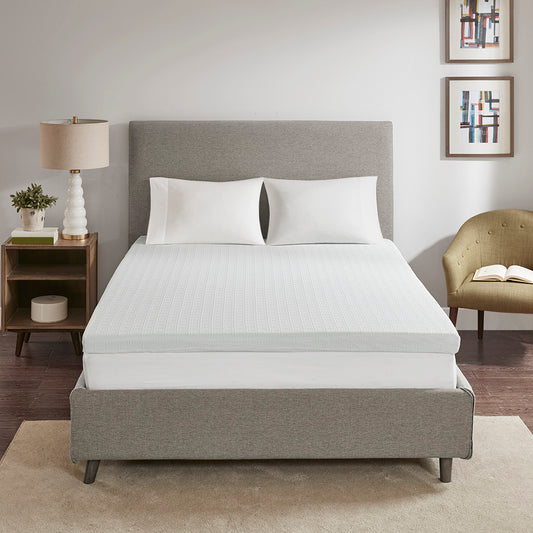
Layering Done Right: Light Bedding That Looks as Good as It Feels
We talk to people about their beds constantly what they love. What drives them nuts? Every spring, the same thing. The bed feels heavy. Looks puffy and hot. They're kicking covers off at 2 a.m. They want lighter, but they don't want their bedroom to look unfinished. That tension is real.
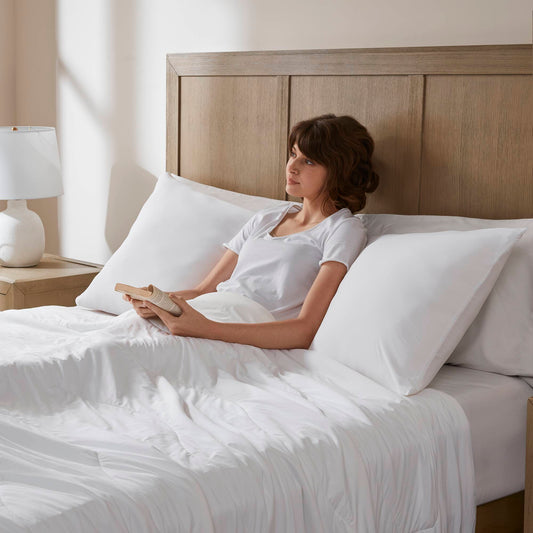
Here's what we've figured out. A well-layered bed doesn't need bulk to look good. The opposite, actually. Thoughtful layers with breathable stuff create a bed that feels cool, looks clean, and adjusts when the temperature swings. Lightweight bedding is the move for warmer months. Comfort improves right away. The room looks better. And you stop wrestling your covers.
At Madison Park, we design coordinated bedding collections that make seasonal layering simple. No guesswork. No mismatched chaos. Just breathable fabrics, clean styling, and layers you can add or peel off without overthinking. This is how to build that bed. One that feels as good as it looks.
How Do I Choose the Best Simplified Bedding for a Comfortable Sleep?
The best lightweight bedding combines breathable materials, simple layering, and easy-care fabrics. Instead of a pile of blankets, pick one quality comforter or quilt, breathable sheets, and a light blanket when needed. Cleaner bedroom. Better airflow. Less morning hassle.
Start with Breathable Base Fabrics
Sheets are everything. If they trap heat, you're toast. We always point people toward natural fibers. Cotton and linen are the workhorses. Cotton bedding is soft, familiar, and easy. Linen bedding has texture and a relaxed look. Both let air move. That keeps you cooler. We've had people switch from microfiber to cotton percale in June and come back stunned. They didn't know how much heat their old sheets were holding. Breathable bedding isn't a splurge. It's a comfort basic.
Keep Bedding Layers Simple
A bed doesn't need a mountain of pillows and five blankets to look styled. The simplest setup often wins. Fitted sheet. Top layer like a comforter or quilt. Maybe a lightweight blanket folded at the foot. Three pieces. Done. This makes the bed easy to make. Cuts down trapped heat. Looks cleaner. No fuss.
We've watched people overcomplicate beds with decorative layers they never use. In summer, those extra layers fight you. Stick to bedding sets that coordinate. Matching sheets and a light top layer give you a finished look without weight. Layered bedding is about flexibility, not piling on.
Compare Your Top Layer
Not all top layers are equal. Here's a quick look.
|
Bedding Layer |
Best For |
Warmth |
Maintenance |
Style |
|
Comforter |
Everyday comfort |
Medium |
Easy |
Plush |
|
Quilt |
Warm-weather layering |
Light |
Easy |
Textured |
|
Coverlet |
Decorative layering |
Light |
Easy |
Tailored |
Comforters are the plush go-to. A lightweight fill works year-round. Quilt sets bring texture and a casual feel. Perfect for summer when you want just a whisper. Coverlets are tailored and neat. They sit clean and work as a base. When you shop for comforter sets or quilt sets, check the weight first. Heavy in July is misery. lightweight comforter or quilt is freedom.
Choose Easy-Care Bedding
Nobody wants dry-clean-only bedding. Machine washable fabrics are a must. Cotton and linen wash well and get softer. Lightweight materials dry faster. Neutral colors hide wear and match anything. Easy-care means you'll actually use it, not just stare at it.
Why Does My Bed Feel Heavy and Hot in Summer?
Thick winter bedding traps heat and blocks airflow. Swapping bulky layers for lightweight bedding helps your bed stay cooler and more comfortable.
We hear this all the time. Someone keeps a heavy down comforter on because it looks plush. Then they wonder why they're sweating. Heavy fabrics don't breathe. They hold body heat like a little oven under the covers. Even with AC, the bedding itself is the problem.
Switch to lightweight bedding for summer. Swap that thick comforter for a breathable quilt or lightweight comforter. Ditch flannel for cotton or linen. The difference is instant. You're not adding some tech. You're removing the heat trap. Bedding for hot sleepers just needs airflow. Summer bedding should feel barely there.
What Does "Layering" My Bed Actually Mean?
Layering means combining lightweight pieces that you can add or remove as temps change, while keeping the bed looking polished.
It's not about piling on. It's flexibility. Base: fitted sheet. Top layer: comforter or quilt. Then a breathable blanket was folded at the foot. Pull it up when the night cools. Functional layers do the work. Decorative ones add texture without smothering you.
Seasonal flexibility is the point. July: sheet and light quilt. September: add that blanket back. No overhaul. Just a tweak. Layered bedding works across seasons. Coordinating bedding sets makes it easy. Everything matches.
Can Light Bedding Still Look Stylish Instead of Flimsy?
Yes. Texture, drape, and smart layering create a refined look without heavy bedding.
People worry that light means cheap-looking. It doesn't. Cotton bedding is crisp and holds shape. Linen bedding brings relaxed elegance. Even a simple quilt with detailed stitching looks substantial. Color coordination helps. Neutrals, soft whites, beiges. Texture does the work. A quilt with channel stitching. A coverlet with a subtle weave. Bedroom styling with light bedding pieces is about restraint.
How Many Layers of Bedding Do I Actually Need During Summer?
Most summer beds need only three light layers: breathable bedding sheets, a quilt or coverlet, and an optional throw blanket.
Keep it simple. Fitted sheet. Flat sheet if you want, though many skip it. Lightweight quilt or coverlet. Throw folded at the foot. That's it. More than that is just laundry and trapped heat. Breathable bedding needs air circulation. Blankets and throws should be light, either a cool-touch, quick-drying fabric or a breathable, airy weave. The bed should feel open, not stuffed.
Where Can I Find Coordinated Bedding Collections for Children's Bedrooms?
Parents looking for coordinated bedding for kids can check Madison Park's collections. Practical designs, easy-care materials, styles for different ages.
Kids' rooms have demands. Washable, durable, looks good without turning into a cartoon. Coordinated collections take the guesswork out. Matching sheets, quilt, sham. The bed comes together fast. Machine washable cotton is our go-to for kids. It breathes, softens, and handles spills. Styles range from playful to grown-up. Practical everyday comfort is the priority.
What's the Difference Between a Quilt, Coverlet, and Comforter?
Each layer gives a different warmth, texture, and look. Good for different seasons and sleep styles.
|
Feature |
Quilt |
Coverlet |
Comforter |
|
Warmth |
Light |
Light |
Medium |
|
Texture |
Stitched, textured |
Smooth, tailored |
Plush, filled |
|
Best Season |
Summer, warm weather |
Summer, layering |
Year-round, cooler nights |
|
Style |
Casual, lived-in |
Clean, structured |
Cozy, inviting |
|
Use |
Standalone or layered |
Base layer, decorative |
Primary top layer |
Quilt sets are light and breathable. Coverlets are tailored and thinner. A lightweight comforter gives plush without weight. Think about how you sleep. Hot sleeper? Quilt or coverlet. Want cozy? Lightweight comforter with cotton fill.
How Can I Keep My Bed Looking Well-Styled Without Much Effort?
Coordinated colors, mixed textures, simple accessories. That's the formula.
Pick a neutral palette. Whites, creams, beiges. They calm the room. Add texture: smooth sheet, stitched quilt, nubby throw. Contrast creates depth. Pillow arrangement: two sleeping pillows, maybe two shams, one small accent. Throws are the easiest styling tool. Fold one at the foot. Color and texture, plus function. Bedroom styling doesn't need to be hard. Coordinated bedding sets do the heavy lifting.
Will Light Bedding Keep Me Warm Enough on Cooler Nights?
Layering lets you adjust. Add or remove light blankets instead of swapping the whole setup.
A breathable blanket at the foot is your friend. Warm night: sheet and quilt. Cooler night: pull that blanket up. Each layer is light, so nothing traps heat. Just enough insulation. Comfortable sleep comes from options. Layered bedding gives flexibility. You respond to the weather without a full bedding change.
Which Colors and Fabrics Work Best for Summer Bedrooms?
Soft neutrals and breathable natural fabrics create a cooler, lighter feel.
We steer people toward whites, creams, soft beiges, and pale grays. Light colors reflect heat and make the room airy. Dark bedding in summer can feel heavy just to look at. Cotton bedding is crisp and cool. Linen bedding is breezy and relaxed. Both breathe and wick moisture. The best bedding for summer is the stuff that lets your body regulate. No gimmicks. Right fabric, light color.
Is Lightweight Bedding Difficult to Care For?
Most lightweight bedding is machine washable, dries fast, and is super easy. Practical for everyday.
Lightweight bedding is the easiest. Cotton and linen go in the wash. They dry faster than heavy comforters. You can wash at home. So you wash more often, the bed stays fresher. Seasonal storage is simpler too. A quilt folds small. No wrestling giant duvets into vacuum bags. For everyday life, lightweight bedding wins.
How Can I Refresh My Bed for Summer Without Replacing Everything?
Add one or two light layers, like a quilt or throw. Often that's enough.
No need for a full overhaul. Keep your cotton sheets. Swap the heavy comforter for a quilt. Add a new throw. That's it. Quilt sets give you the quilt and shams in one go. Layer them over existing sheets. The bed suddenly looks like summer. Throws change the color story instantly. Affordable updates, less waste. You reuse what you have and adjust the top layers.
We've helped a lot of people rethink their summer beds. The ones who get it right keep it simple. Breathable bedding, light bedding, colors that soothe. A bed that looks good without trying. Madison Park's collections are built on that. Coordinated pieces that work together, wash easily, and make sense for real life. No heavy pitch. Just bedding that keeps you comfortable, your room fresh, and lets you sleep without a fight. That's layering done right.
Frequently Asked Questions
What's the best bedding for summer?
Lightweight bedding made from breathable fabrics like cotton or linen is ideal for summer. Pair cotton sheets with a quilt or lightweight comforter and avoid heavy synthetic materials that trap heat.
How many bedding layers should I use?
For summer, three layers are usually enough: a fitted sheet, a quilt or coverlet, and an optional throw. Fewer layers help improve airflow and keep you comfortable.
What's the difference between a quilt and a coverlet?
A quilt has stitched filling that provides light warmth and texture, while a coverlet is thinner, smoother, and more tailored. Coverlets are often used as a decorative or lightweight top layer.
Is cotton or linen better for warm weather?
Both are excellent choices. Cotton feels crisp, breathable, and easy to maintain, while linen offers exceptional airflow and a naturally textured feel. The best option depends on your personal preference.
How often should I replace my bedding?
Sheets should typically be replaced every one to two years with regular use. Quilts and comforters can last up to five years or longer with proper care. Replace bedding when it loses its comfort, loft, or breathability.

Related Articles