Simple Ways to Make Your Home Feel More Comfortable on Cold Evenings
This article explains how to make a home feel cozier on cold evenings without buying new furniture. Key takeaways: layer breathable cotton sheets, a quilt or coverlet, a comforter, and a removable throw; choose cotton, linen, polyester, or faux fur by sleeper type; keep washable throws within reach; and use warm lighting, rugs, and draft stoppers to reduce the chill.
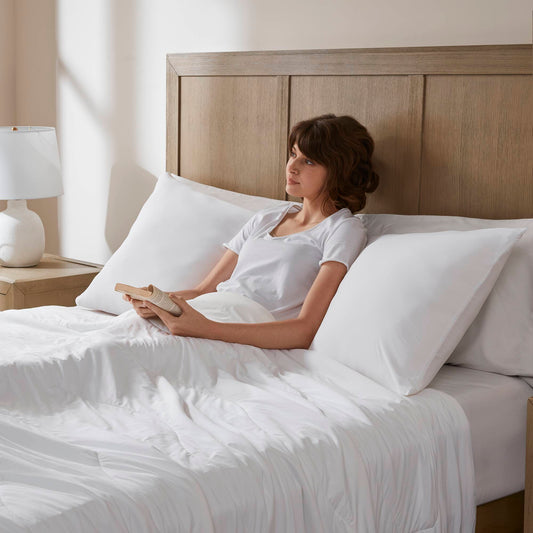
Once it gets dark by 5:30, most of us end up parked indoors a lot more: on the couch, in bed with a book, wherever there's a spot to settle in. That shift makes the rooms you actually use matter more than usual. And here's the thing: you really don't need to redo a whole room to make it feel warmer. Layering your bedding, keeping a soft cotton blanket within reach, switching to warmer lighting, and having blankets and throws scattered where you'll actually use them can change a room a lot more than people expect.
What works for you depends on your climate, how warm your house runs, and honestly just your own tolerance for heat. Some people sleep better under thin, breathable cotton. Others want something plush the second it drops below 60. Neither is wrong.
What Makes a Home Feel More Comfortable on Cold Evenings?
Comfort on a cold evening usually comes from a mix of things working together: warmth you can adjust, soft textures, lighting that isn't harsh, somewhere comfortable to sit, and not too many drafts sneaking in.
None of that requires spending much. Layered bedding, blankets that are actually within reach instead of buried in a closet somewhere, warm-toned lamps instead of a bright overhead light, a rug over cold flooring. Comfort is also pretty personal. A bed piled with layers might feel perfect to you and stifling to your partner, so it's worth adjusting to the people actually using the room instead of copying a magazine spread. Luxury bedding can pull things together visually, but the real comfort comes from getting the layers themselves right.
How Can You Layer Bedding for a Cold Night?
Start with breathable sheets, add something lightweight like a quilt or coverlet, put a seasonally appropriate comforter on top of that, and keep a blanket close by that you can pull on or kick off depending on how the night goes.
A layering order that tends to work:
- Breathable fitted and top sheets
- A lightweight cotton quilt or coverlet
- A comforter matched to the room's temperature
- A folded blanket or throw at the foot of the bed
- Maybe a cushion or two, as long as they're easy to toss aside before sleeping
One very heavy comforter sounds simpler, but honestly, multiple lighter layers usually work better because you can adjust as the room cools or warms overnight instead of being stuck with one setting until morning.
Which Bedding Materials Work Well in Cooler Weather?
Cotton, linen, polyester, plush fabric, faux fur. All of them can work in cold weather. The differences come down to breathability, weight, and how much effort you want to put into caring for them.
Cotton stays breathable and layers well, and since it comes in different weights, a cotton bedding set can honestly work through more of the year than people assume. Linen manages moisture well and has that relaxed, slightly wrinkled texture that some people love, and it's good if you tend to run warm at night. Polyester bedding sets are usually low maintenance and affordable, though they can hold more heat than natural fibers do. Plush fabric and faux fur bedding sets bring that unmistakably wintry texture, and they work nicely as throws or accents, but they take up more storage space than you'd think, and it's worth checking the washing instructions before assuming they're machine-safe.
Are Comforter Sets Worth It During Cold Weather?
They can be, but it depends on whether the filling, fabric, and size actually match your room's temperature, not just whether the comforter looks thick in photos.
Before you buy, look at the outer fabric, how evenly the fill is distributed, the stitching pattern, and the total weight. A thicker comforter isn't automatically warmer or better made. Sometimes a well-constructed lighter one performs just as well, if not better. Soft comforter sets and full bedroom bedding sets that include matching shams can simplify things if you'd rather not mix and match pieces on your own.
How Can Blankets and Throws Make a Living Room Cozier?
Blankets and throws help a living room feel cozier mostly by being visible and easy to grab, softening hard surfaces, and marking out a spot that actually feels good to sit in.
Fold a throw over the arm of the sofa. Tuck a cotton throw blanket into a basket next to your reading chair. Keep something washable in the family room for movie nights when someone inevitably spills popcorn. One or two useful, washable layers are really all you need. A living room stacked with decorative throws starts to feel more cluttered than inviting after a point.
Are Cotton Quilts Warm Enough for Cold Evenings?
On their own, yes, they offer decent light to medium warmth. On genuinely cold nights, they layer easily with a blanket or comforter.
Their real appeal is the breathable construction and how easily they store away. A cotton quilt set folds down small and works year-round, which makes it more versatile than something purely designed for winter. If a single quilt isn't quite cutting it, folding a throw at the foot of the bed usually solves the problem without needing to buy a whole new set.
How Can Lighting and Small Fixes Reduce the Chill?
Warm, layered lighting softens the room and takes away that harsh, clinical feel, while small fixes like closing curtains after sunset, checking your door and window seals, and putting rugs over cold flooring actually cut down on real drafts.
Bedside lamps, a floor lamp near a reading chair, warm-toned bulbs instead of stark white ones. None of it changes the room's actual temperature, but it changes how the room feels, and honestly that matters more than people give it credit for. For the bigger stuff, resealing windows, fixing insulation, leave that to a professional. The easy wins are yours to handle: draft stoppers, moving a chair away from a cold window, keeping a throw within arm's reach.
Which Cold-Weather Bedding Suits Different Sleepers?
Cold sleepers often do better with a comforter plus a removable plush blanket. Warm sleepers tend to prefer breathable sheets, cotton quilts, and layers they can shed easily halfway through the night. Couples with mismatched preferences sometimes solve it with separate top blankets rather than fighting over one shared layer. Guests usually appreciate a neutral linen bedding set with an extra folded blanket nearby, since it's easy for them to adjust without having to ask.
Making an evening feel comfortable really does come down to a handful of small, adjustable choices rather than one big purchase. Layered bedding, a good cotton blanket, a little attention to lighting and drafts. It adds up more than you'd think. And at Madison Park, we figure the best setup is whichever one you'll actually use, night after night, not just the one that photographs well.
Frequently Asked Questions
How Can I Make My Home Feel Cozy Without Buying New Furniture?
Layered bedding, warmer lighting, washable throws, and a rug or two can change how a room feels without replacing any furniture.
Are Cotton Quilts Suitable for Cold Evenings?
Yes. Cotton quilts provide breathable, light to medium warmth and layer easily with a blanket or comforter when the temperature drops.
Which Bedding Material Is Best for Cold Sleepers?
Cold sleepers often benefit from a comforter paired with a plush or faux fur bedding layer, along with breathable cotton sheets underneath to help prevent overheating.
Is Linen Bedding Suitable for Winter?
Yes. Linen works well as a breathable base layer, especially when paired with a quilt, comforter, or removable blanket for additional warmth.
How Many Bedding Layers Should I Use in Winter?
There's no set number. Start with breathable sheets, add a quilt or coverlet, and finish with a comforter or blanket based on the room temperature and your personal comfort.

Related Articles
No other articles by Vikram Rathore found. Showing latest articles: