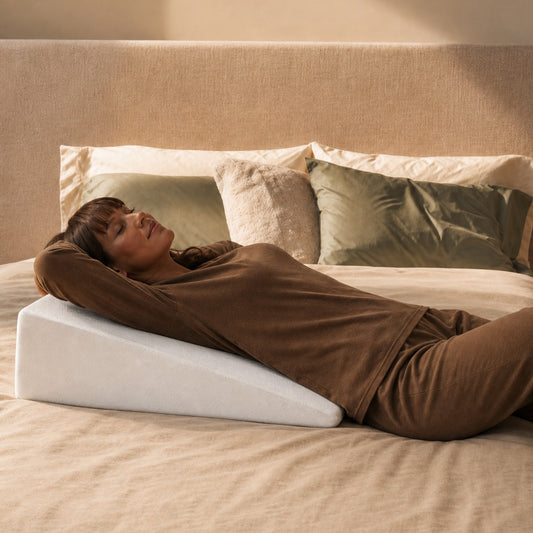
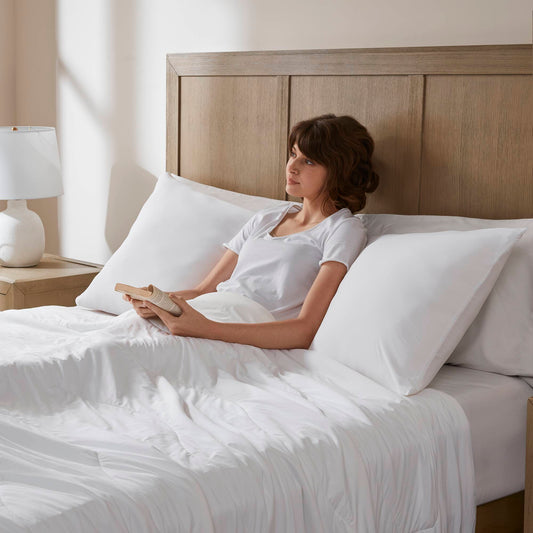
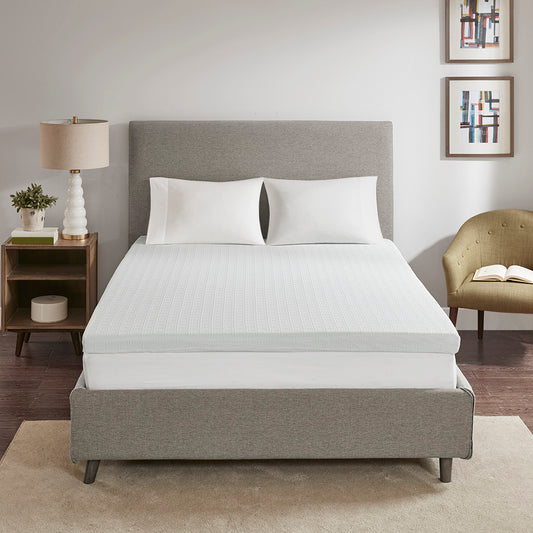
Memory foam can provide contouring, pressure relief, and support. But the layers around it matter too. The right bedding can help manage warmth, moisture, texture, and overall comfort. That’s where breathable bedding sets, cotton, linen, and lightweight comforters come in.
Sleep experts generally recommend keeping the bedroom comfortably cool, and bedding can play a practical role in that environment.
What Makes Memory Foam Different From Traditional Bedding?
Memory foam responds to body heat and pressure, allowing it to conform closely to the body’s shape. That contouring can spread weight more evenly and reduce pressure around areas such as the shoulders, hips, and back. It can also limit motion transfer, which is something couples tend to appreciate when one person moves around at night.
A cushioned feel is exactly what some sleepers want. Others prefer a bed that feels more responsive and airy.
Neither preference is wrong.
The trick is matching the mattress feel with the rest of the bedding. A memory foam surface already provides a substantial comfort layer, so adding extremely thick or heat-trapping layers above it can change the way the entire bed feels.
That’s why good bedding sets aren’t simply decorative. Sheets, blankets, comforters, and pillows all become part of the sleep environment.
Why Breathable Bedding Matters With Memory Foam
Traditional memory foam can retain heat because it closely conforms to the body. Newer foam designs may use features intended to improve airflow or heat management, but the bedding placed above the mattress still makes a noticeable difference.
Breathable fabrics are often the easiest place to start.
Cotton allows air to move through the fabric and is available in different weaves and weights. Linen generally has a looser structure, which can encourage airflow and help move moisture away from the skin.
This is why cotton bedding sets and linen bedding sets work so well with memory foam. They don’t remove the foam’s supportive feel. They simply help create a more comfortable surface around it.
For someone who tends to wake up warm, breathable bedding for memory foam may be a more useful change than immediately replacing the mattress.
Cotton Bedding Offers Everyday Comfort
Cotton remains one of the most practical choices for cotton bedding with memory foam. It’s familiar, washable, breathable, and available in everything from crisp percale to smoother sateen.
A good cotton bedding set can make a memory foam bed feel less enclosed. For shoppers who prefer natural materials, 100 percent cotton bedding sets offer a straightforward option. An organic cotton bedding set may appeal to those specifically looking for certified organic cotton.
Some people want crisp sheets that feel cool when they first get into bed. Others want the softer hand of brushed or smoother cotton.
Fabric quality, weave, weight, and care instructions tell us much more about the product.
Even a simple cotton bedding set option can work beautifully when the fabric suits the sleeper and the season.
Linen Bedding and Sheets
Linen bedding and sheets are valued for their natural breathability, moisture management, and relaxed texture. Their relatively open structure allows airflow, which can make linen especially appealing during warmer months.
For a memory foam mattress, linen bedding can create a lighter feeling directly against the skin. Linen bedding sets also make seasonal changes simple.
A pure linen bedding set works particularly well for sleepers who like natural fibers and a relaxed bedroom.
When customers ask about the best linen bedding sets, we usually suggest looking beyond softness alone. Check the fabric weight, construction, washing instructions, and how the material feels after several washes.
For a more refined bedroom, luxury linen bedding sets can provide that lived-in look without making the bed feel visually or physically heavy.
Polyester Bedding Has Improved Over Time
Polyester gets blamed for feeling hot, but the reality is more mixed. Modern polyester bedding sets can be soft, durable, wrinkle-resistant, and easy to wash. Blends can also combine polyester’s practical qualities with more breathable fibers.
Still, if heat is the main concern, we’d pay close attention to fabric construction rather than choosing solely by fiber name.
A lightweight polyester bedding set may work perfectly well. A thick, tightly constructed one may not feel as comfortable on a warm memory foam bed.
Comforters Complete the Sleep System
The comforter is where many bedding setups go off track.
Memory foam already provides a close, cushioned feel. Adding a heavy comforter on top can make the whole bed feel warmer than expected. A lightweight comforter is often a better starting point, especially for people who sleep warm.
We’ve seen customers solve this simply by changing the top layer rather than replacing everything underneath.
Luxury bedding doesn’t have to mean heavy bedding. Luxury bedding sets can include lightweight, breathable pieces that feel substantial without creating unnecessary warmth. The same applies to soft bedding sets.
Use a lightweight comforter in warmer weather, add a blanket when temperatures drop, and remove that extra layer when the room warms up again. Mayo Clinic guidance also supports using bedding layers that can be adjusted as the sleeping environment changes.
Cartoon Bedding and Character Comforter Sets
For children’s rooms, comfort and personality can happily share the same bed.
Bedding with cartoon prints and character designs remains popular because children often want their favorite colors, characters, or themes around them. We’ve seen a simple character comforter turn an ordinary bedroom into the room a child actually wants to sleep in.
For these setups, you should still look closely at the fabric. Breathable materials, comfortable construction, washable covers, and strong stitching matter more than the print itself.
A fun design doesn’t need to mean uncomfortable bedding sets.
Faux Fur Bedding Works Best as Seasonal Layering
Faux fur is a different story.
A faux fur bedding set can feel wonderfully warm and plush during winter, but we’ve rarely found it necessary as an all-year top layer. The same goes for faux fur bedding and comforter sets.
For colder months, that extra texture can make the room feel cozy. A luxury faux fur bedding set can also work as a decorative layer folded at the foot of the bed.
With memory foam underneath, though, we’d keep an eye on total warmth. Sometimes that beautiful winter layer is exactly what makes a sleeper kick everything off at 2 a.m.
Coordinated Bedding Creates Better Sleep Environments
Matching pieces can make the bedroom feel calmer without requiring much effort.
Modern bedding sets are useful when clean colors and simple textures suit the room. Designer bedding sets can bring more pattern and detail. For larger beds, full-size bedding can make coordinating sheets and top layers much easier.
Themed collections work well in rooms with a more traditional Western look, including Western bedding sets.
For shoppers looking for coordinated collections, Madison Park bedding sets offer another way to bring sheets, comforters, shams, and decorative layers into the same visual story.
The point isn’t to make every piece identical. Mixing a smooth sheet with a textured blanket, for example, can make the bed feel much more inviting.
Common Mistakes When Choosing Bedding for Memory Foam
The biggest mistake is usually focusing on the mattress and forgetting everything above it.
Heavy synthetic bedding can hold warmth. Thick comforters can be excessive in warmer seasons. Too many layers can make the bed feel bulky. And sometimes a beautiful fabric simply isn’t comfortable against the skin.
A better approach is to ask simple questions. Does the fabric breathe? Is the comforter appropriate for the season? Can the layers be removed easily? Does the sheet stay secure? Is the texture pleasant enough for several hours of contact every night?
Those answers matter more than a showroom photograph.
How to Build the Ideal Memory Foam Bedding Setup
A comfortable memory foam setup doesn’t need to be complicated.
Start with breathable sheets, preferably cotton or linen if cooling is a priority. Add a lightweight comforter suited to the season. Keep a thinner blanket nearby for cooler nights. Add decorative layers last.
Then consider the pillow. Memory foam can contour closely, so the pillow should provide a comfortable height and feel for the sleeper’s usual position.
The best setups are rarely the ones with the most layers. They’re the ones where every layer has a reason to be there.
The Best Memory Foam Bed Is More Than the Mattress
Memory foam can provide the supportive, pressure-relieving base. Cotton or linen can create a breathable surface. A lightweight comforter can manage warmth. A seasonal blanket can step in when the temperature drops. Together, those layers create a bed that feels right rather than simply looking right.
That same thinking applies to coordinated Madison Park bedding sets. Good design matters, certainly. But the best bedroom is the one where you climb into bed at the end of a long day and don’t think about the bedding at all. You just sleep.
Frequently Asked Questions
Is Memory Foam Bedding Good for Hot Sleepers?
It can be. Memory foam may retain heat, but breathable sheets, lightweight comforters, and a cool bedroom can help create a more comfortable setup.
Which Bedding Material Works Best With Memory Foam Mattresses?
Cotton and linen are strong choices when breathability matters. The best option still depends on personal texture, warmth, and care preferences.
Is Cotton or Linen Better for Memory Foam Bedding?
Cotton is versatile and easy to maintain, while linen generally offers more airflow and a distinct relaxed texture. Both can work well.
Can Polyester Bedding Be Used With Memory Foam?
Yes. A lightweight polyester bedding set can work well, particularly when durability and easy care are priorities.
Should Memory Foam Bedding Be Layered With Blankets and Comforters?
Yes, but thoughtfully. Lightweight seasonal layers are easier to adjust than a single heavy layer used year-round.
How Do You Keep Memory Foam Bedding Cool During Summer?
Start with breathable sheets, a lightweight comforter, fewer layers, and a comfortably cool bedroom. Cotton and linen are particularly useful options for warm nights.