What Is a Coverlet Set? Uses, Benefits & How to Style It
If you've ever wanted a bed that looks polished but doesn't feel heavy, a coverlet might be exactly what you're missing. It's one of the most versatile pieces of bedding you can own, yet it's also one of the least understood. Many people confuse coverlets with quilts, bedspreads or thin comforters.
Quick answer: A coverlet set is a lightweight, decorative bed covering, usually woven, quilted or textured, sold with matching pillow shams. A coverlet is thinner than a comforter and has little or no fill. It typically covers the top of the mattress and hangs partway down the sides rather than to the floor. You can use it on its own in warm weather or layer it over a comforter or duvet for added style and warmth.
What is a coverlet, exactly?
A coverlet is a single-layer or lightly layered bed covering designed to add texture and a finished look to your bed. Unlike a comforter, which is stuffed with fill, a coverlet relies on its fabric and construction for structure. Common coverlet styles include:
- Matelassé: A woven fabric with a raised, quilted-looking pattern created on the loom, with no batting inside
- Tufted chenille: Soft, raised tufts that form patterns like medallions or stripes, often with a vintage feel
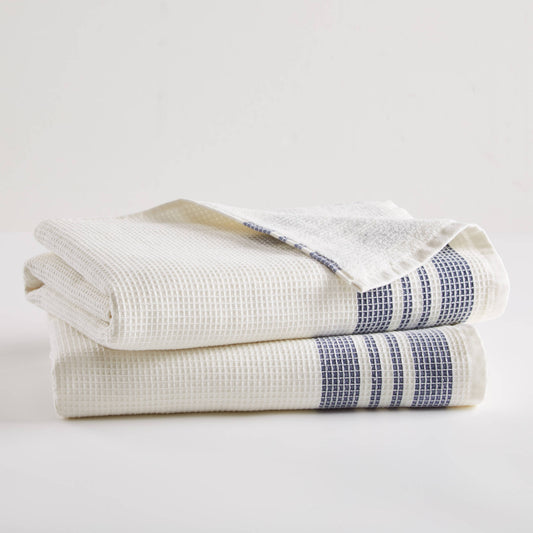
- Waffle or textured weaves: Breathable fabrics with a dimensional grid or ribbed surface
- Lightly quilted: Thin layers stitched together for gentle warmth without bulk
Coverlets are usually made from cotton or cotton blends, which keeps them breathable and easy to care for.
What's included in a coverlet set?
A standard coverlet set includes:
- One coverlet, sized to fit your bed (often twin, full/queen or king/cal king)
- Matching pillow shams, usually one for twin sizes and two for larger sizes
Some sets also include decorative throw pillows or Euro shams. A coverlet mini set typically means just the coverlet and shams, without sheets or extra accessories. Madison Park's Laetitia Tufted Cotton Chenille Medallion Fringe Coverlet Mini Set, for example, pairs a tufted cotton chenille coverlet with matching shams for a ready-to-style vintage look.
Coverlet vs. quilt vs. comforter vs. bedspread
These four are easy to mix up. Here's how they compare:
|
|
Coverlet |
Quilt |
Comforter |
Bedspread |
|---|---|---|---|---|
|
Thickness |
Thin to light |
Light to medium |
Thick and fluffy |
Light to medium |
|
Fill |
None or very little |
Thin batting between layers |
Full fill (polyester, down alternative or down) |
Usually little or none |
|
Coverage |
Top of bed, partway down the sides |
Top of bed, partway down the sides |
Top of bed, partway down the sides |
All the way to the floor, often covering pillows |
|
Warmth |
Light |
Light to moderate |
Warmest |
Light to moderate |
|
Best for |
Layering, warm climates, decorative finish |
Year-round use, layering |
Cold nights, a plush look |
A formal, fully covered look |
The simplest way to remember it: a comforter is for warmth, a bedspread is for coverage, and a coverlet is for style and light layering. A quilt sits between a coverlet and a comforter.
How to use a coverlet set
A coverlet is more flexible than most people expect. Here are the most common ways to use one:
- On its own in warm weather. For spring and summer, a coverlet over a sheet set gives you just enough coverage without trapping heat.
- As a top layer over a comforter or duvet. In cooler months, lay the coverlet over your main bedding for extra warmth and a more tailored look.
- Folded at the foot of the bed. Folded in thirds across the bottom of the bed, a coverlet adds color and texture and is ready to pull up on chilly nights.
- In guest rooms. A coverlet keeps a guest bed looking neat and finished while it's not in use, and it's easy to launder between visits.
- On daybeds and twin beds. Coverlets work well on beds that double as seating, since they're less bulky than a comforter.
Benefits of a coverlet set
- Lightweight comfort: Ideal for hot sleepers or warm climates.
- Year-round versatility: Use it alone in summer and as a layer in winter.
- Easy care: Most cotton and cotton-blend coverlets are machine washable and dry faster than a bulky comforter.
- Instant polish: Texture, such as matelassé, chenille or waffle weaves, makes even a simple bed look styled.
- Value: A coverlet can refresh the look of your bedroom without replacing your sheets or comforter.
- Reversible options: Many coverlets and quilts are reversible, giving you two looks in one.
How to style a coverlet set
Styling a coverlet is less about rules and more about layering with intention. These ideas work for almost any bedroom:
1. The simple summer bed. Fitted sheet, flat sheet, coverlet, two sleeping pillows and the matching shams. Clean, airy and quick to make each morning.
2. The layered hotel look. Start with crisp white sheets, add a comforter or duvet, then fold the coverlet in thirds across the foot of the bed. Finish with shams and one accent pillow. This adds dimension without overwhelming the bed.
3. Texture on texture. Pair a matelassé or tufted coverlet with a smooth sateen or percale sheet set. The contrast between flat and textured fabrics makes the bed feel richer, even in a single color.
4. Match your coverlet to your decor style:
- Vintage or shabby chic: Tufted chenille, scalloped edges, fringe trim and soft florals
- Farmhouse or cottage: Reversible quilted coverlets in muted neutrals or soft stripes
- Coastal: Airy cotton weaves in white, sand or soft blue
- Modern: Solid matelassé or waffle textures in grey, ivory or taupe
- Boho: Medallion patterns, fringe details and warm, earthy tones
5. Use the reversible side. If your coverlet is reversible, flip it with the seasons: a patterned side for fall and winter, and a lighter, solid side for spring and summer.
How to care for a coverlet
Most coverlets are easy to look after. Wash in cold or warm water on a gentle cycle, and tumble dry on low or line dry. Skip harsh bleach on colored designs, and give tufted or chenille coverlets a quick shake after drying to fluff the texture. Always check the care label first.
Frequently asked questions
Is a coverlet the same as a quilt?
Not quite. A quilt has three layers (a top, a thin batting and a backing) stitched together. A coverlet is usually thinner and often woven, with little or no fill.
Can you use a coverlet by itself?
Yes. In warm weather, a coverlet over sheets is often all you need. In cooler months, layer it over a comforter or duvet.
What size coverlet should I buy?
Match the coverlet to your mattress size. Many coverlets come in combined sizes like full/queen or king/cal king, so check the dimensions to make sure you get the drape you want.
Are coverlets warm?
Coverlets are light by design. They add a little warmth on their own and more when layered, but they aren't meant to replace a comforter in cold weather.
What's the difference between a coverlet and a bedspread?
A bedspread hangs all the way to the floor and often covers the pillows. A coverlet is shorter, usually reaching partway down the sides of the bed.
Key takeaways
- A coverlet set is a lightweight, decorative bed covering with matching shams.
- It's thinner than a comforter and shorter than a bedspread.
- Use it alone in summer or layered in winter for year-round style.
- Texture, such as matelassé, chenille or waffle weaves, is what makes a coverlet stand out.
Ready to find yours? Browse Madison Park's Quilts & Coverlets collection for reversible, textured and vintage-inspired designs in sizes from twin to king.

Related Articles