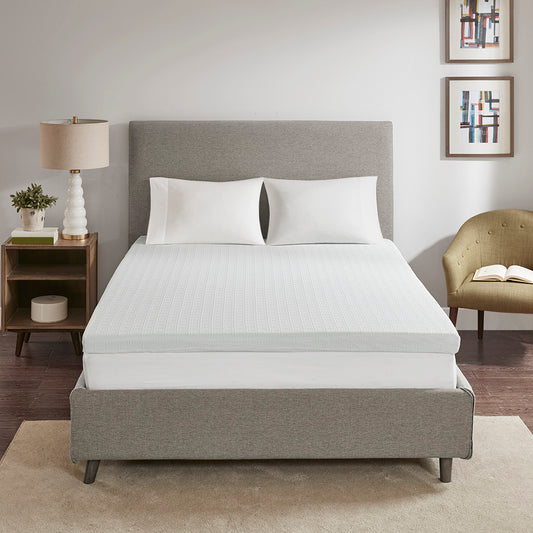
Why Some Quilt Sets Feel Cool Before You Even Lie Down
Have you ever run your hand across a quilt set and felt an immediate, almost surprising coolness against your skin? That refreshing sensation isn't just your imagination, and it's not simply because the bedding has been sitting in a chilly room.
The truth is more fascinating than that. Certain quilt sets are designed in ways that naturally create that cool-to-the-touch feeling, and understanding why can completely transform how you choose bedding for better sleep.
For hot sleepers, anyone going through temperature fluctuations, or those who simply crave a more comfortable night's rest, that initial cool sensation often signals something important: breathable bedding that actually works.
Madison Park has mastered the art of creating quilt sets that deliver this experience, blending thoughtful material selection with intelligent construction. But what's really happening on a physical level when bedding feels cool before you even crawl under it?
Let's explore the science, the fabric innovations, and the design choices that separate truly cooling bedding from everything else.
The Science Behind Cooling Bedding
That pleasant chill you feel when touching certain fabrics comes down to one simple concept: heat transfer.
Your skin is always generating warmth, and when you touch something, heat flows from your warmer body to the cooler object. The faster this heat transfer happens, the cooler the surface feels against your skin.
Different materials conduct heat at dramatically different rates. Think of touching a metal spoon versus a wooden one at room temperature, the metal feels colder even though both objects are the same temperature.
That's because metal pulls heat away from your skin much faster than wood does. The same principle applies to bedding fabrics.
What Is Thermal Conductivity?
In simple terms, thermal conductivity is a material's ability to move heat away from a source, in this case, your body. Fabrics with higher thermal conductivity create that immediate cool sensation because they rapidly absorb and disperse the heat from your skin.
This is why natural fibers like cotton often feel cooler than synthetic materials. Cotton fibers have a higher thermal conductivity than polyester or nylon. When you touch a well-made cotton quilt set, the fabric quickly pulls heat from your fingertips, creating that satisfying cool feeling.
Madison Park cotton quilt sets leverage this natural property, using high-quality cotton fibers that respond to body temperature in ways synthetics simply cannot match.
Why Heat Transfer Matters During Sleep
The cool-to-the-touch sensation isn't just a momentary pleasure; it directly impacts your entire sleep experience. When you first lie down, efficient heat transfer helps lower your skin temperature, signaling to your body that it's time to rest. This temperature drop is actually one of the cues that trigger your body's natural sleep onset process.
But the real magic happens throughout the night. As your body generates heat while you sleep, breathable fabrics continue moving that warmth away from you.
When heat gets trapped against your skin, your body temperature rises, leading to restless tossing, night sweats, and frequent awakenings. Effective heat transfer maintained by the right bedding helps keep your temperature stable so you stay asleep longer and wake up feeling genuinely rested.
How Fabric Construction Impacts Cooling Comfort
Beyond the fiber itself, the way fabric is constructed plays an enormous role in how cool a quilt set feels. Two fabrics made from identical cotton can feel completely different based entirely on how they're woven.
Breathable Weaves and Airflow
Think of fabric weave as a roadmap for air movement. Loose, open weaves create natural pathways for heat and moisture to escape, while also allowing cooler room air to circulate toward your skin. This continuous exchange prevents the microclimate between your body and the bedding from becoming overly warm and stuffy.
Certain weave structures are particularly effective for cooling. Double gauze, for example, features two thin layers of loosely woven cotton lightly tacked together, creating tiny air pockets throughout the fabric.
Lightweight quilt structures with airy weaves allow constant ventilation without sacrificing comfort or coverage. Madison Park incorporates these breathable design principles across their quilt sets and coverlet sets, prioritizing airflow without compromising on a luxurious feel.
Why Dense Fabrics Feel Warmer
On the opposite end of the spectrum, tightly woven or densely constructed fabrics restrict airflow at a microscopic level. Sateen weaves, high-thread-count percale, and heavily compressed materials leave little room for air to pass through. The result is a blanket effect that traps body heat and humidity against your skin.
This doesn't mean dense fabrics are "bad," they serve a purpose in colder months. But for cooling comfort, more open construction consistently outperforms tight weaves. When evaluating cooling bedding, look for lightweight construction that suggests air can move freely through the material.
Why Surface Texture Changes the Feel of Bedding
Here's a detail most people overlook: the texture of your quilt's surface affects how cool it feels, often more than the fiber content itself. This comes down to the simple physics of skin contact.
Smooth vs Textured Fabrics
Smooth, flat fabrics create maximum surface contact with your skin. That sounds comfortable, and it can be, but more contact area means more heat transfer in the wrong direction. Your body heat travels directly into the fabric, and without airflow gaps, that warmth lingers.
Slightly textured or crinkled fabrics tell a different story. When a quilt has an uneven surface, think of the gentle puckering on a washed cotton coverlet or the dimensional weave of a textured quilt set; it naturally creates tiny gaps between the fabric and your skin. These micro-gaps allow air to circulate right at the surface where you need it most. Less continuous skin contact means less heat buildup and a consistently cooler feel throughout the night.
Madison Park frequently incorporates subtle textural elements into their breathable bedding collections, understanding that these small surface variations add up to meaningful comfort differences.
Moisture Control and Breathability in Quilt Sets
Heat alone doesn't make you uncomfortable during sleep; it's the combination of heat and moisture that really disrupts rest. Your body naturally releases moisture while you sleep, and when bedding traps that humidity against your skin, it creates that sticky, uncomfortable feeling that wakes you up.
Why Dry Fabrics Feel Cooler
Fabrics that manage moisture effectively feel cooler because evaporation is a cooling process. When breathable bedding allows moisture to move away from your body and evaporate into the air, that evaporation pulls additional heat away from your skin. You end up with a double cooling effect: initial heat transfer plus ongoing evaporative cooling.
Cotton excels at this because it's naturally hydrophilic, it attracts and absorbs moisture. But unlike some fibers that hold onto that moisture, cotton releases it into the air relatively quickly.
This combination of absorption and release keeps the fabric surface feeling dry rather than damp. Breathable cotton quilt sets from Madison Park leverage this natural moisture management, helping you stay dry, cool, and comfortable from the moment you lie down until morning.
The Role of Fabric Finishing and Processing
What happens to fabric after it's woven matters as much as the weave itself. Finishing processes, treatments applied to fabric to change its hand feel, appearance, or performance, can either enhance or destroy cooling properties.
Natural Softness vs Artificial Finishes
Many manufacturers apply chemical coatings to make fabrics feel artificially soft or wrinkle-resistant. These coatings might feel pleasant in the store, but they often coat individual fibers, sealing their natural pores and reducing breathability. Heavy chemical finishes also tend to trap warmth, turning what should be cooling bedding into a heat-retaining layer.
Pre-washing, on the other hand, softens fabric naturally without compromising airflow. When cotton is pre-washed, the fibers relax and open up slightly, improving both softness and breathability simultaneously.
The fabric becomes supple without chemical intervention, and that natural softness actually enhances cooling rather than fighting against it.
Madison Park prioritizes finishing processes that preserve fabric integrity, understanding that long-term comfort comes from materials that breathe naturally, not from temporary coatings that wash away or trap heat.
How Quilt Sets React to Room Temperature
A cooling quilt doesn't exist in isolation; it interacts constantly with your bedroom environment. Understanding this relationship helps you maximize whatever cooling bedding you choose.
Breathable quilt sets essentially work as passive climate managers. They don't actively cool you like a fan or air conditioner, but they excel at not fighting against your body's natural temperature regulation.
When your room is properly ventilated, lightweight quilts release trapped heat quickly rather than holding it against you. When the room is already cool, breathable fabrics help maintain that comfortable temperature without becoming clammy.
Proper room ventilation dramatically improves any bedding's cooling performance. Even the most advanced cooling quilt set can only work with the air available.
A ceiling fan on low, an open window in cooler months, or simply ensuring your bedroom isn't completely sealed all help your breathable bedding do its job more effectively.
The Psychological Side of Cooling Bedding
Cooling comfort isn't purely physical; your brain plays a role too. Research consistently shows that visual and tactile cues influence perceived temperature.
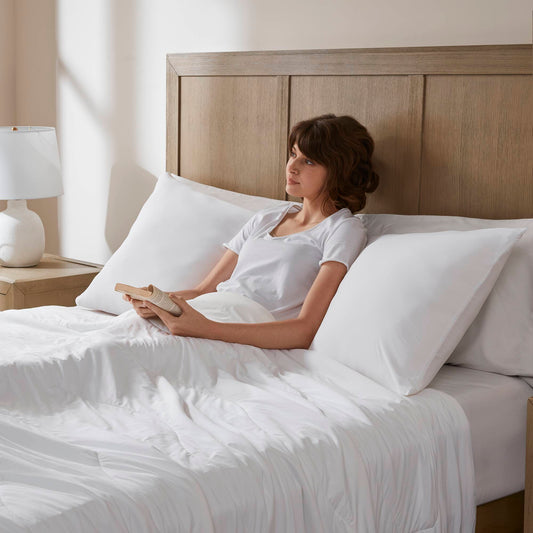
Light-colored bedding in whites, creams, soft blues, and gentle greens visually feels cooler than deep burgundies, charcoals, or navy tones.
This isn't just a cultural association; lighter colors reflect more light and heat, while darker colors absorb them. When you look at a crisp white quilt set, your brain already anticipates a fresher, cooler experience.
Texture influences perception as well. Matte fabric surfaces tend to feel more breathable and airy than glossy or slick finishes, which can feel artificially smooth and heat-retentive.
A slightly matte, natural-looking cotton quilt set feels inherently fresher than a shiny, heavily processed alternative, and that psychological expectation actually shapes your physical experience of the bedding.
Best Features to Look for in Cooling Quilt Sets
When shopping for genuinely cooling bedding, keep these specific features in mind:
- Breathable cotton materials remain the gold standard for natural cooling. Look for 100% cotton quilt sets without excessive synthetic blends.
- Lightweight construction matters more than you might think. A lighter quilt allows better airflow and won't trap heat simply through bulk.
- Airflow-friendly textures with subtle surface variation or open weaves create those micro-gaps that prevent heat buildup.
- Moisture-managing fabrics help evaporation work in your favor rather than against you.
- Layering compatibility means you can use your quilt set in warm weather alone or add layers when temperatures drop.
Best Bedding Choices for Hot Sleepers
If you consistently sleep hot, prioritize quilt sets specifically designed with cooling in mind. Lightweight quilt layers beat heavy comforters every time. Breathable cotton bedding outperforms synthetic alternatives across nearly every metric. And avoiding overly thick materials, even if they're made from cotton, ensures you won't wake up overheated.
Madison Park lightweight quilt sets and coverlet sets offer excellent options for hot sleepers, combining breathable cotton construction with thoughtful design details that prioritize airflow and comfort.
Common Mistakes That Make Bedding Feel Hotter
- Over-layering is the biggest offender. Using a heavy comforter, quilt, and blanket together creates a heat-trapping system no single breathable layer can overcome.
- Choosing dense synthetic materials like polyester fleece or microfiber comforters, these fabrics actively resist breathability and trap body heat.
- Poor bedroom airflow means even the best breathable bedding can't ventilate properly.
- Thick fabric coatings and non-breathable finishes might feel soft initially, but turn your bedding into a heat trap over time.
Tips to Create a Cooler Sleep Environment
- Start with lightweight breathable bedding as your foundation. A well-chosen cotton quilt set does most of the work for you.
- Improve room airflow with a ceiling fan, portable fan, or simply keep interior doors open for better air circulation throughout your home.
- Rotate seasonal bedding instead of trying to make year-round bedding work for every temperature extreme. Save heavier layers for winter and embrace lightweight quilts for warmer months.
- Choose cooling-friendly fabrics and textures intentionally. Not all bedding labeled "cooling" actually delivers focus on material composition and construction details rather than marketing claims.
Conclusion – Cooling Comfort Starts with Better Bedding Design
That immediate cool sensation when you touch certain quilt sets isn't magic or marketing hype. It's the result of multiple fabric factors working together: high thermal conductivity pulling heat away from your skin, open weaves allowing constant airflow, subtle textures creating micro-gaps, moisture management keeping surfaces dry, and thoughtful finishing preserving natural breathability.
Madison Park quilt sets embody these cooling principles, combining breathable cotton construction with intelligent design features that prioritize comfort without sacrificing style.
Whether you're a consistently hot sleeper, someone who experiences night sweats, or simply someone who craves a more refreshing rest, choosing breathable bedding designed for cooling makes a genuine difference starting the moment your hand first touches the fabric.
FAQs
Why do some quilt sets feel cool to the touch?
Certain quilt sets feel cool because their fabrics transfer heat away from your skin quickly. Breathable materials like cotton and lightweight weaves help create that refreshing cooling sensation.
What fabric is best for cooling quilt sets?
Cotton is one of the best fabrics for cooling bedding because it is naturally breathable, moisture-absorbing, and lightweight. Linen and bamboo blends can also improve airflow and comfort.
Are lightweight quilt sets better for hot sleepers?
Yes. Lightweight quilt sets allow better air circulation and reduce heat buildup, making them an excellent option for hot sleepers and warm climates.
Does thread count affect how cool bedding feels?
Yes, it can. Extremely high thread counts often create tighter weaves that trap more heat, while moderate thread counts with breathable construction usually feel cooler and more comfortable.
Why does textured bedding feel cooler than smooth fabric?
Textured bedding creates small air gaps between the fabric and your skin, improving airflow and reducing direct heat buildup during sleep.
Can cooling quilt sets help with night sweats?
Yes. Breathable quilt sets help manage moisture and improve airflow, reducing discomfort caused by night sweats and overheating.
Do synthetic quilt sets feel hotter?
Many synthetic fabrics, especially polyester, trap more heat because they are less breathable than natural fibers. Cotton quilt sets generally feel cooler and more comfortable.
How can I make my bedding feel cooler at night?
Use lightweight, breathable bedding, improve airflow with fans, avoid heavy layering, and choose natural fabrics like cotton or linen for better temperature control.
Are coverlet sets cooler than comforters?
Usually, yes. Coverlet sets are thinner and lighter than traditional comforters, allowing more airflow and less heat retention.
What should hot sleepers look for in cooling bedding?
Hot sleepers should look for breathable cotton fabrics, lightweight quilt layers, moisture-managing materials, and airy weaves that support airflow throughout the night.

Related Articles